

Raw meaty bones for dogs provide natural nutrition, dental health, mental enrichment joint support safe, primal feeding choice, they satisfy chewing
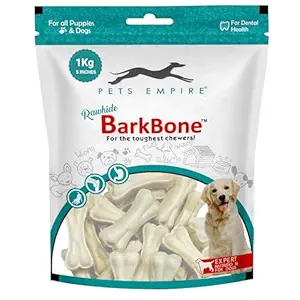
PETS EMPIRE Rawhide Pressed Chew Dog Bone Pack 5 Inches, Chewy Dogs Training and Feeding Treats, Crunchy Chew Calcium Bones, Pet Haddi Treat for Dogs, Pups, Puppies – 1 Kg
Original price was: ₹585.00.₹449.00Current price is: ₹449.00.
Description
About this item
Raw Meaty Bones for Dogs Description
- DENTAL HEALTH: Rawhide Pressed Chew Dog Bone’s crunchy texture helps to maintain healthy teeth and gums, ensuring your pet’s dental health. The natural chewing action helps to reduce plaque and tartar buildup, promoting good oral hygiene and preventing dental problems that dogs commonly experience.
- NUTRIENT RICH: These 5-inch chew bones are high in calcium and provide essential nutrients for your pet’s bone health and overall well-being. As your dog chews on these rawhide Dog bones, he not only enjoys the delicious flavor but also receives a calcium boost, which promotes strong bones and muscles.
- MORE BONDING OPPORTUNITIES: Develop a stronger connection with your furry companion by using our irresistible snack bone treats for Dogs. Not only do they encourage positive behaviours and interactive play, but they also help reinforce training. Get ready to deepen your bond with your pet like never before!
- DENTAL HEALTH BENEFITS: Crunchy Dog Chew Bones provide hours of chewing entertainment to your pet dog. Dog Treats serves a dual purpose of promoting dental health. As your dog gnaws on the Bones, it helps to scrape away plaque & tartar buildup, resulting in fresher breath and healthier teeth and gums with time. Chew Dental Bone not only improves dental hygiene but also satisfies your dog’s natural chewing instinct, preventing destructive chewing behaviour and protecting valuable items from harm.
- VERSATILE SNACK OPTION: These Dog Chew Bones are suitable for dogs of all ages, including adult dogs, playful puppies, and curious puppies. Dog Crunchy Chewy Bones versatility makes them an ideal choice for households with multiple pets, ensuring that each furry friend can enjoy a tasty treat.
-
Raw Meaty Bones for Dogs Description
Feeding raw meaty bones for dogs has become one of the most trusted and natural approaches to canine nutrition in the modern pet care world. For centuries, dogs have thrived on a diet that closely resembled what their wild ancestors consumed—prey that provided not only muscle meat but also connective tissues, marrow, and bones. When we talk about raw meaty bones for dogs, we are essentially discussing a return to nature, a way of nourishing pets with whole, unprocessed food that supports both their physical and mental well-being.
In today’s era, commercial kibble often dominates the pet food industry. While convenient, it can lack the variety, texture, and biological appropriateness that dogs truly crave. This is where raw meaty bones for dogs step in, offering a balance of nutrition, exercise for the jaw, dental hygiene benefits, and a rich source of mental stimulation. Dogs are natural chewers, and by giving them access to raw meaty bones for dogs, you are not just feeding them—you are enriching their lifestyle.
The Natural Canine Diet
A dog’s digestive system is designed to handle raw food. With strong stomach acids, powerful jaws, and sharp teeth, they are biologically equipped to consume raw meat and bones. Wolves and wild canids—close relatives of domestic dogs—have always survived on prey that includes bones, tendons, and cartilage. By offering raw meaty bones for dogs, pet parents are aligning their feeding approach with evolutionary biology.
This diet is often referred to as BARF (Biologically Appropriate Raw Food) or prey-model feeding, and raw meaty bones for dogs form a cornerstone of this philosophy. Unlike processed foods, they provide a complete nutritional package: calcium from the bone, protein from the meat, glucosamine from cartilage, and essential fatty acids from marrow.
Nutritional Benefits of Raw Meaty Bones for Dogs
One of the biggest advantages of feeding raw meaty bones for dogs is the exceptional nutritional profile they bring. Bones are naturally rich in calcium and phosphorus, two minerals essential for skeletal strength and growth. Meat provides amino acids for muscle development, while marrow contributes vitamins, minerals, and healthy fats. Cartilage contains collagen and chondroitin, supporting joint health.
When compared to synthetic supplements or over-processed foods, raw meaty bones for dogs offer a whole-food solution that the body recognizes and utilizes effectively. Calcium sourced from bones is far more bioavailable than calcium carbonate found in many pet supplements. This means dogs absorb and use the nutrients more efficiently, resulting in stronger bones, healthier coats, and improved vitality.
Dental Health and Chewing Benefits
One of the most well-documented benefits of raw meaty bones for dogs lies in oral hygiene. Periodontal disease affects a majority of adult dogs and can lead to pain, tooth loss, and systemic illness. Chewing on bones naturally scrapes away plaque and tartar, acting as a toothbrush for your dog.
Veterinarians often emphasize how the mechanical action of gnawing helps clean teeth and massage gums. Unlike cooked bones—which are brittle and dangerous—raw meaty bones for dogs remain flexible and fibrous, providing safe chewing resistance. This reduces bad breath, lowers the risk of dental infections, and enhances overall oral health.
Mental Enrichment and Stress Relief
Beyond nutrition, raw meaty bones for dogs are an incredible enrichment tool. Dogs experience boredom, anxiety, and stress just like humans. Chewing on a raw bone provides hours of engagement, satisfying natural instincts while promoting calmness. The act of gnawing releases endorphins, which reduce stress and anxiety.
In multi-dog households, feeding raw meaty bones for dogs can also be used as a management tool. Each dog receives a bone, which keeps them occupied, content, and less likely to engage in destructive behaviors such as chewing furniture or barking excessively.
Types of Raw Meaty Bones for Dogs
Not all bones are created equal, and selecting the right kind is crucial. The most recommended raw meaty bones for dogs include:
-
Chicken Necks and Wings – Ideal for small dogs and beginners, offering soft bones with edible meat.
-
Turkey Necks – Larger and more substantial, perfect for medium to large dogs.
-
Beef Ribs – Great for strong chewers, providing hours of engagement.
-
Lamb Shanks – Rich in marrow and tougher for prolonged chewing.
-
Duck Frames – A balanced bone-to-meat ratio, suitable for various breeds.
The key is to ensure the bones are always raw. Cooked bones splinter and pose choking hazards, while raw meaty bones for dogs remain pliable and digestible.
Safety Guidelines for Feeding
Feeding raw meaty bones for dogs requires mindful preparation and supervision. Here are essential guidelines:
-
Choose the right size: A bone should be larger than your dog’s mouth to prevent swallowing whole.
-
Supervise chewing: Always monitor dogs while they chew to avoid choking.
-
Start slow: Introduce bones gradually to prevent digestive upset.
-
Practice hygiene: Wash hands, clean surfaces, and store bones in the freezer.
-
Avoid weight-bearing bones: These can be too dense and cause tooth fractures.
By following these rules, pet parents can safely incorporate raw meaty bones for dogs into their companion’s diet.
Transitioning to Raw Feeding
Many owners wonder how to switch from kibble to a raw diet. The process is gradual. Begin by offering a small portion of raw meaty bones for dogs alongside their regular meal. Over time, increase the raw portion while reducing kibble. Within weeks, most dogs adapt easily, showing signs of improved digestion, firmer stools, shinier coats, and higher energy levels.
Raw feeding advocates often highlight how dogs fed raw meaty bones for dogs exhibit reduced stool volume, since their bodies absorb nutrients more efficiently. This is a win-win for both pets and their owners.
Myths and Misconceptions
Despite their benefits, there are many myths surrounding raw meaty bones for dogs. Some worry about bacterial contamination. However, dogs are naturally more resistant to bacteria like salmonella due to their highly acidic stomachs. Proper storage and hygiene practices significantly minimize risks.
Another misconception is that bones are unsafe. While cooked bones are indeed hazardous, raw meaty bones are soft and pliable. With supervision and correct bone selection, they are perfectly safe for most dogs.
Long-Term Health Advantages
Dogs fed on a balanced raw diet that includes raw meaty bones for dogs often show remarkable improvements in health. Reports suggest they experience fewer allergies, reduced skin issues, healthier joints, better dental health, and overall longevity.
The combination of nutrition, mental stimulation, and dental benefits makes raw meaty bones for dogs more than just a meal—they are a holistic lifestyle choice for your canine companion.
Ethical and Sustainable Sourcing
When choosing raw meaty bones for dogs, it’s important to consider sourcing. Opting for bones from grass-fed, hormone-free, and ethically raised animals ensures better quality nutrition. Not only does this support your dog’s health, but it also promotes sustainable and responsible farming practices.
-
-
When exploring canine nutrition at a deeper level, it becomes clear that raw meaty bones for dogs are not just about food—they represent a complete health system that integrates nutrition, exercise, enrichment, and instinctual satisfaction. To truly understand their impact, we must look at the science of canine digestion, the behavioral psychology of chewing, and the long-term effects of natural feeding practices.
Digestive Science Behind Raw Meaty Bones for Dogs
Dogs possess a highly acidic stomach environment, with a pH ranging from 1 to 2 when fed appropriately. This acidity serves two primary purposes: breaking down dense proteins and neutralizing harmful bacteria. Unlike humans, who need cooking to make food safer and more digestible, dogs thrive on raw food.
When a dog consumes raw meaty bones for dogs, the digestive process starts with mechanical breakdown—chewing. The teeth, particularly the carnassials at the back of the mouth, are designed to shear flesh and crush softer bones. Once swallowed, the stomach acid works rapidly to dissolve bone fragments, while enzymes assist in breaking down proteins and fats.
The presence of raw marrow provides healthy fats, which fuel the dog’s metabolism, while the bone matrix delivers calcium and phosphorus. This natural synergy of nutrients is unmatched by artificial supplements. Processed foods may attempt to replicate this effect by fortifying kibble, but nothing compares to the body’s ability to absorb and utilize nutrients in their natural, whole form.
Behavioral Psychology of Chewing
Dogs have a primal need to chew. In the wild, this behavior not only aids in food consumption but also strengthens the jaw and provides mental satisfaction. Modern domestic dogs, however, are often deprived of opportunities to chew naturally. Chew toys may help, but they lack the sensory and nutritional elements of real food.
Offering raw meaty bones for dogs fulfills this instinct at multiple levels. First, it gives them something purposeful to chew. Second, the resistance of bone versus flesh provides varied textures, keeping them engaged. Third, the reward of extracting marrow and cartilage satisfies the brain’s reward system.
This engagement reduces boredom-driven behaviors like furniture destruction, carpet digging, and excessive barking. In behavior studies, dogs provided with raw meaty bones for dogs regularly showed lower levels of anxiety and higher engagement with positive enrichment activities.
Dental Microbiology and Raw Feeding
Oral health is one of the most overlooked aspects of pet care. According to veterinary statistics, over 70% of dogs develop periodontal disease by the age of three. This condition is not only painful but also has systemic consequences, as oral bacteria can spread to vital organs like the heart and kidneys.
Chewing raw meaty bones for dogs acts as a natural toothbrush. The scraping motion removes plaque before it calcifies into tartar. Additionally, chewing stimulates saliva production, which contains antibacterial enzymes that help maintain oral pH balance.
Unlike dental chews or synthetic sticks that often contain sugars and fillers, raw meaty bones for dogs provide a 100% natural solution. Over time, dogs fed bones show cleaner teeth, fresher breath, and fewer dental interventions. For owners, this translates to reduced veterinary bills and a happier, healthier dog.
Comparing Raw Meaty Bones to Commercial Chews
Many pet stores are filled with artificial chew products—rawhide, flavored sticks, nylon bones, and pressed treats. While marketed as dental aids, they come with risks. Rawhide, for example, is chemically processed and can swell in the digestive tract, causing blockages. Nylon bones risk tooth fractures, and flavored sticks often contain preservatives.
By contrast, raw meaty bones for dogs are free from artificial additives. They not only satisfy chewing needs but also deliver real nutrition. Furthermore, because they are digestible when raw, they do not linger in the digestive system as foreign objects.
Dogs instinctively prefer real bones over synthetic alternatives, highlighting the evolutionary importance of feeding them food aligned with their biology.
Case Studies and Owner Experiences
Pet owners who transition their dogs to raw meaty bones for dogs often report significant improvements:
-
Case Study 1: A 7-year-old Labrador suffering from obesity and tartar buildup was transitioned to a raw diet with meaty bones twice weekly. Within three months, the dog lost weight, had fresher breath, and exhibited higher energy levels.
-
Case Study 2: A small terrier prone to destructive chewing was given lamb ribs twice a week. The dog’s destructive tendencies decreased significantly, and its teeth remained clean without professional dental scaling.
-
Case Study 3: A senior German Shepherd with arthritis showed improvement in mobility after consuming marrow-rich bones, thanks to the natural glucosamine and chondroitin content.
These real-world experiences highlight how raw meaty bones for dogs can positively impact physical health, mental well-being, and behavioral balance.
Practical Feeding Schedules
For maximum benefit, raw meaty bones for dogs should be fed on a routine that balances nutritional intake with chewing satisfaction. Here’s a general guideline:
-
Small breeds (5–15 lbs): 1–2 small bones per week, such as chicken wings or duck necks.
-
Medium breeds (15–40 lbs): 2–3 medium-sized bones per week, such as turkey necks or lamb ribs.
-
Large breeds (40–80 lbs): 3–4 large bones per week, such as beef ribs or lamb shanks.
-
Giant breeds (80+ lbs): 3–4 large, dense bones per week, ensuring marrow access.
The schedule depends on the dog’s age, size, activity level, and overall diet. Always balance raw bones with muscle meat and organ components to ensure nutritional completeness.
Potential Challenges and Solutions
Feeding raw meaty bones for dogs is generally safe, but some challenges may arise:
-
Greedy eaters: Some dogs attempt to swallow bones too quickly. Solution: Choose larger bones that cannot be gulped.
-
Tooth wear: Excessively hard bones (like weight-bearing beef femurs) may cause fractures. Solution: Stick to softer, edible bones.
-
Messiness: Raw bones can be messy indoors. Solution: Offer them outdoors or on a washable mat.
-
Digestive upset: Dogs new to raw feeding may experience loose stools. Solution: Introduce slowly and adjust portion sizes.
By managing these factors, owners can safely integrate raw meaty bones for dogs into their feeding practices.
Long-Term Health and Longevity
Numerous holistic veterinarians advocate for natural diets, noting that dogs consuming raw foods, including raw meaty bones for dogs, often show:
-
Glossier coats due to healthy fats.
-
Improved joint health from cartilage nutrients.
-
Leaner muscle mass compared to kibble-fed counterparts.
-
Stronger immune responses thanks to whole-food nutrition.
-
Reduced risks of chronic illnesses such as diabetes and allergies.
Dogs that eat naturally sourced diets are often observed to live longer, more vibrant lives, maintaining energy and vitality well into senior years.
Ethical Considerations and Sustainability
Feeding raw meaty bones for dogs also sparks discussions about sourcing. Ethical pet owners may prioritize bones from pasture-raised, grass-fed livestock. This not only ensures higher-quality nutrition for pets but also supports sustainable farming. Choosing organic and free-range sources reduces exposure to hormones, antibiotics, and pesticides.
Furthermore, some butchers and farms offer leftover cuts and bones at lower costs, reducing food waste while providing premium nutrition for pets. In this sense, feeding raw meaty bones for dogs contributes positively to a circular food system.
Conclusion: The Holistic Value of Raw Meaty Bones
Ultimately, the practice of offering raw meaty bones for dogs is more than just feeding—it is an act of honoring a dog’s natural heritage. It connects pets to their primal roots, improves their physical health, supports mental enrichment, and creates a lifestyle where nutrition and instinct align.
From dental hygiene to joint support, from behavior management to nutritional excellence, raw meaty bones for dogs remain one of the most valuable additions to a dog’s diet. Whether you are a new pet parent or an experienced raw feeder, the rewards of incorporating bones are undeniable, giving dogs not only a meal but also a fulfilling and instinct-driven experience.
Final Thoughts
At the heart of every dog’s happiness lies good nutrition, enrichment, and care. Offering raw meaty bones for dogs provides all three in one natural package. From building stronger teeth and bones to reducing stress and supporting joint health, the benefits are undeniable. More importantly, this feeding practice reconnects our pets with their primal instincts, allowing them to live healthier and more fulfilled lives.
For pet parents seeking to move beyond processed diets and embrace a more natural approach, raw meaty bones for dogs represent an invaluable choice.
-

Reviews
There are no reviews yet.