

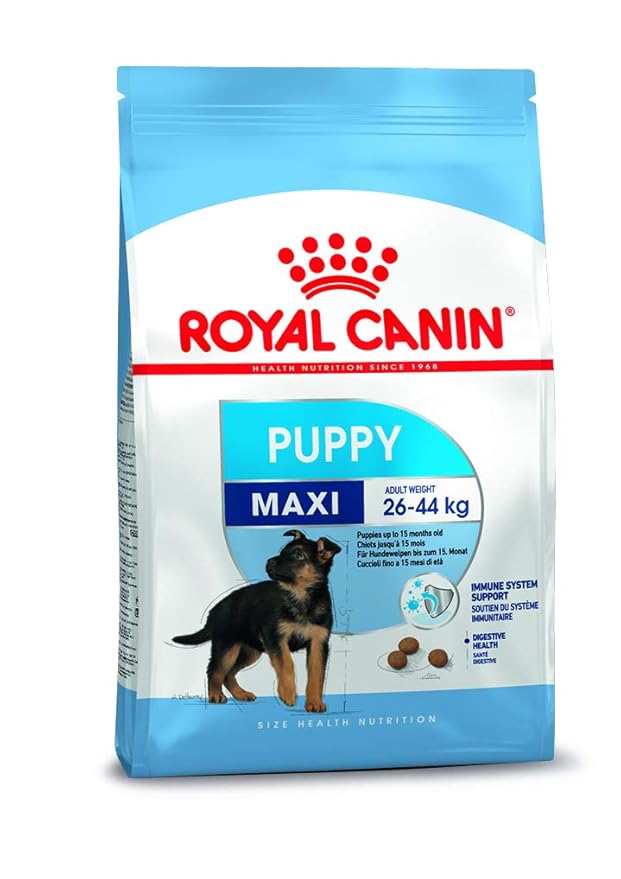
High quality puppy food nutritious and delicious, dry food is packed with minerals & proteins to support overall health daily feeding
Royal Canin Maxi Puppy Food, 1 Kg, Dry Food, Supports Immune System & digestive health, Provides Long growth, moderate energy
Original price was: ₹1,030.00.₹838.00Current price is: ₹838.00.
Description
About this item
- 100% complete and balanced nutrition
- Helps maintain soft skin and shiny fur
- Keeps away from periodontal problems
- age range description: baby. breed recommendation: large
- Target Audience Keywords: Dogs; Container Type: Bag
-
When raising a young dog, one of the most important responsibilities a pet parent has is to ensure the pup receives proper nutrition. Choosing high quality puppy food makes all the difference in supporting growth, energy levels, immunity, and long-term health. Puppies have very different dietary needs compared to adult dogs; they require higher protein content, essential fatty acids, vitamins, and minerals to fuel their rapid development. The best products on the market are carefully crafted to meet these specific requirements, providing balanced meals that keep your furry companion healthy, active, and thriving.
Unlike generic food, high quality puppy food is designed to give young dogs a nutrient-dense start in life. It’s formulated with premium protein sources such as chicken, lamb, or salmon, along with healthy grains, vegetables, and fortified supplements. Each bite is packed with nourishment that supports strong muscles, shiny coats, healthy bones, and an active immune system. Many options are also free from artificial preservatives, colors, and low-quality fillers, ensuring your puppy digests food more easily and absorbs all the beneficial nutrients.
Why Puppies Need Specialized Nutrition
Puppies grow rapidly, especially during their first year, and this growth demands extra energy and nutrients. Their bones are developing, their teeth are forming, and their brains are learning constantly. Feeding them the same diet as an adult dog can lead to nutritional imbalances, which may hinder their development. High quality puppy food bridges this gap by providing a perfect ratio of proteins, carbohydrates, fats, and micronutrients.
Calcium and phosphorus are critical for strong bones and teeth. DHA, an omega-3 fatty acid, promotes healthy brain and eye development. Quality protein helps build lean muscles while supporting the immune system. A proper balance of these elements ensures that puppies don’t just grow quickly but grow in a healthy, sustainable way.
Ingredients That Define High Quality
The difference between regular food and high quality puppy food lies in the ingredients. Premium brands use real meat as the first ingredient, not by-products or fillers. Chicken, beef, turkey, or fish provide essential amino acids necessary for development. Alongside meat, wholesome grains such as brown rice or oats provide energy, while vegetables like sweet potatoes, peas, and carrots add fiber and natural vitamins.
Another hallmark of premium food is the absence of harmful additives. Artificial colors, flavors, and chemical preservatives can upset a puppy’s digestive system and contribute to long-term health issues. By contrast, natural preservation methods and nutrient-rich recipes promote vitality and well-being.
Digestive Health and Absorption
Young dogs often have sensitive stomachs, making easy digestion a priority. High quality puppy food is usually enriched with probiotics and prebiotics that help balance gut flora. This ensures smooth digestion, firm stools, and maximum absorption of nutrients. Additionally, carefully balanced fat levels help maintain energy without overloading the digestive system.
A strong digestive system also translates into better skin and coat health. With efficient nutrient absorption, puppies naturally develop shinier coats and healthier skin, reflecting their internal health.
Supporting Brain and Cognitive Development
A puppy’s early months are not only about physical growth but also about learning and mental development. High quality puppy food often contains DHA and other omega-3 fatty acids, which are proven to enhance cognitive functions. This means puppies can focus better during training, respond quickly to commands, and develop stronger problem-solving abilities.
For breeds known for their intelligence, such as Border Collies, Poodles, or German Shepherds, this cognitive boost can be especially valuable. Providing the right nutrition helps these breeds reach their full potential both mentally and physically.
Immune System and Disease Prevention
A strong immune system protects puppies from infections and illnesses. Premium nutrition plays a central role in developing resilience. High quality puppy food includes antioxidants like vitamins C and E, zinc, and selenium, which strengthen natural defenses. Puppies fed nutrient-rich food are more likely to fight off diseases, recover faster, and stay active year-round.
Additionally, long-term benefits include reduced risks of allergies, obesity, and joint issues. Since many premium puppy foods avoid common allergens like corn, wheat, or soy, they lower the chance of digestive irritation or skin problems.
Breed-Specific and Size-Specific Options
Not all puppies grow at the same pace or have the same nutritional needs. Large breeds like Great Danes or Labrador Retrievers grow slower but require carefully controlled calcium to prevent bone deformities. On the other hand, small breeds like Chihuahuas and Pomeranians need calorie-dense food to match their fast metabolism. High quality puppy food often comes in breed-specific or size-specific formulas to meet these unique demands.
This tailored approach ensures that every puppy, regardless of size or breed, gets exactly what they need without overloading or undernourishing their system.
Long-Term Health Benefits
Investing in high quality puppy food pays off well into adulthood. Dogs that receive optimal nutrition early on are less likely to develop chronic issues such as obesity, arthritis, or heart disease. Their organs function better, their bones remain stronger, and they enjoy a higher quality of life.
Many studies show that proper nutrition in the early stages of life can add years of vitality to a dog’s lifespan. For pet parents, this means more years of companionship and fewer veterinary expenses down the line.
Palatability and Feeding Experience
Nutrition isn’t only about health—it’s also about taste. Puppies are more likely to eat consistently when food appeals to them. High quality puppy food is often crafted with flavor in mind, ensuring that mealtime is enjoyable. Some options come in both dry kibble and wet varieties, allowing owners to switch or combine them for better palatability.
The crunchy texture of kibble helps keep teeth clean, while wet food provides hydration and variety. Mixing both types can give puppies a balanced eating experience that meets nutritional and sensory needs.
Transitioning from Mother’s Milk to Puppy Food
One of the critical stages in a puppy’s life is weaning. This transition must be handled carefully to avoid digestive upset. High quality puppy food brands often provide guidelines on how to slowly shift from milk to solid food. Soaking kibble in warm water or mixing it with puppy formula can make the process smoother.
Proper weaning ensures the puppy doesn’t miss out on essential nutrients while learning to adapt to solid meals. By choosing premium food during this phase, owners can reduce stress for both the puppy and themselves.
Sustainability and Ethical Choices
Today, many pet owners also care about where food comes from. Sustainable farming, ethical sourcing, and eco-friendly packaging are features offered by several brands of high quality puppy food. By choosing these options, pet parents not only provide the best for their dogs but also contribute positively to the environment.
-
Raising a puppy is one of the most rewarding experiences a pet parent can have, but it is also filled with challenges that revolve around health, training, and care. Among all responsibilities, nutrition plays the central role. The decision to provide proper meals is not just about filling a bowl; it is about giving a young dog the tools to grow into a strong, happy, and balanced adult. Choosing the right meals, understanding portion control, and ensuring nutritional adequacy are tasks that require awareness and consistency.
Comparative View of Different Diets
There are many diets available for puppies today. Some owners rely on commercial dry kibble, while others mix wet food, raw diets, or home-prepared meals. Each method has its pros and cons. Dry food is convenient, cost-effective, and helps clean teeth through chewing. Wet food is more palatable, offers hydration, and appeals to picky eaters. Raw diets mimic ancestral eating but can be risky if not balanced properly. Home-prepared meals allow control over ingredients but require careful planning to meet all nutritional needs.
Amid these options, high quality puppy food emerges as the most reliable choice because it combines scientific formulation with convenience. Pet parents can rest assured that every serving is nutritionally complete, reducing the risk of deficiencies that may occur with unbalanced raw or home-cooked meals.
Feeding Frequency and Schedule
Another key aspect is feeding schedule. Puppies need multiple small meals per day because their stomachs are small and their energy requirements are high. For example, young puppies between 8 and 12 weeks old may need 4 meals a day. Between 3 and 6 months, 3 meals a day are usually enough. After 6 months, most puppies do well with 2 meals a day, which often continues into adulthood.
Consistency in timing also matters. Dogs thrive on routine, and feeding them at the same time each day helps regulate digestion, metabolism, and even behavior. Owners often notice fewer accidents in the house and less begging behavior when meals are predictable.
Role of Protein in Growth
Proteins are the building blocks of muscles, organs, and tissues. Without enough protein, puppies may suffer from weak muscles, slow growth, and lowered immunity. A big advantage of high quality puppy food is that it uses real, animal-based protein sources such as chicken, turkey, lamb, or fish, instead of plant-based substitutes that may not offer the same amino acid profile. This ensures the puppy’s body has what it needs to grow strong and resilient.
Fats and Energy Support
Puppies burn a surprising amount of energy while exploring, playing, and learning. Healthy fats provide the dense energy needed to keep up with their active lifestyles. Omega fatty acids not only fuel their activity but also maintain healthy skin and coat. In particular, DHA is critical for brain development. When pups consume diets rich in DHA, studies show improved trainability and stronger memory retention. This is why premium brands highlight the presence of these fatty acids in their recipes.
Dental and Oral Development
During the teething stage, puppies often chew everything in sight. While toys help, diet plays a role as well. Crunchy kibble strengthens teeth and gums, scraping away plaque and promoting oral health. Some formulations of high quality puppy food are designed with special kibble shapes that encourage chewing in a way that reduces tartar buildup. Early dental care is vital because it helps prevent gum disease and dental issues later in life.
Case Studies and Owner Testimonials
Pet parents who switch to premium nutrition often notice visible changes in their puppies within weeks. One common report is improved stool quality—firmer, less smelly, and easier to clean. Others see shinier coats, brighter eyes, and more playful energy. Behavioral improvements are also common; when puppies get the right nutrients, they become calmer, more focused, and easier to train.
For instance, an owner of a Golden Retriever puppy reported that her dog’s shedding reduced significantly after transitioning from generic kibble to high quality puppy food. Another example comes from a small breed owner whose Chihuahua puppy had constant digestive issues until he was put on a premium formula with probiotics, after which his energy improved dramatically.
Expert Veterinary Recommendations
Veterinarians strongly advocate for proper diet during early development. According to experts, at least 22% of a puppy’s diet should be protein and around 8% should be fat. The right balance of calcium and phosphorus is also crucial to avoid skeletal issues, particularly in large breeds. Premium brands meet these standards by formulating recipes that adhere to AAFCO (Association of American Feed Control Officials) guidelines.
Some vets also recommend rotating between different protein sources within the premium category. For example, alternating chicken-based and salmon-based formulas can prevent allergies and keep meals exciting for the puppy.
Transitioning to Adult Food
Eventually, a puppy needs to transition to adult dog food. The timing depends on the breed. Small breeds mature faster and can usually switch by 9–12 months. Larger breeds take longer, often up to 18–24 months. Gradual transition is necessary to avoid digestive upset. Mixing small amounts of adult food with the puppy formula over 7–10 days allows the digestive system to adjust smoothly.
The foundation built by feeding high quality puppy food during the first year makes this transition easier, as the pup’s digestive system is already accustomed to balanced nutrition.
Avoiding Common Mistakes
Many owners unintentionally make mistakes in feeding their puppies. Overfeeding is one of the most common, leading to obesity and joint issues. Another mistake is giving too many treats, which may throw off nutritional balance. Feeding table scraps or human food is risky, as certain items like onions, garlic, grapes, or chocolate can be toxic to dogs.
Premium diets minimize these risks by ensuring each portion is nutritionally complete. Sticking to measured servings of high quality puppy food reduces the temptation to supplement unnecessarily.
Long-Term Outlook
Nutrition in the first year of life has lifelong consequences. Puppies fed on poor diets may suffer from weak immune systems, brittle bones, or poor coat health as adults. Conversely, those nourished with carefully balanced meals often grow into strong, energetic, and disease-resistant dogs. Owners who commit to proper feeding from day one are making an investment in their dog’s future.
As research in veterinary nutrition advances, the advantages of premium feeding become even clearer. From better joint support to cognitive improvement, every aspect of a puppy’s development is influenced by diet.
-
Beyond the nutritional content of food itself, the environment in which puppies eat plays a significant role in their development. A calm, quiet space helps them feel safe while eating, reducing the chance of stress-related behaviors such as overeating, food guarding, or walking away from meals. Owners who set up a consistent feeding corner often notice that their pets quickly adapt to routines, approaching mealtime with excitement but not anxiety.
Water availability is equally important. Puppies should always have access to fresh, clean water, particularly if their diet consists mostly of dry food. Dehydration can affect digestion, skin health, and energy levels. Providing a dedicated water bowl next to the feeding area ensures puppies learn where to go when thirsty, reinforcing good habits early on.
Social and Behavioral Impact of Proper Nutrition
The right food not only affects growth but also influences behavior. Well-nourished puppies tend to be calmer, more focused, and easier to train. Proper nutrition stabilizes blood sugar levels, preventing hyperactive spikes or lethargic crashes. This stability supports consistent learning, making training sessions more productive.
Furthermore, a good diet encourages positive socialization. Puppies that feel healthy are more playful, confident, and willing to interact with humans and other animals. Conversely, poor nutrition can lead to sluggishness, irritability, or digestive discomfort, all of which can interfere with social development.
Owner Experiences and Real-Life Observations
Pet owners frequently share how changing food improved their puppies’ lives. Commonly observed benefits include glossier coats, reduced shedding, stronger nails, and fewer skin irritations. Many also report improvements in stool quality, which makes house training easier. These visible results build confidence in the chosen diet and create peace of mind that their pet is getting the best possible start.
One notable aspect is long-term savings. While premium nutrition may cost more upfront, healthier puppies often require fewer vet visits for preventable issues such as digestive troubles, skin allergies, or growth abnormalities. Over time, this investment in quality proves financially beneficial as well as emotionally rewarding.
Final Note
Feeding a puppy is more than a daily routine—it is a foundational practice that shapes every stage of growth. From bones and muscles to brain and behavior, every aspect of development is influenced by what goes into the food bowl. By maintaining consistency, creating the right environment, and staying attentive to a puppy’s changing needs, owners set the stage for a lifetime of health and happiness.
Conclusion
Raising a puppy is a journey filled with joy, but also with the responsibility of making informed choices. Among those, nutrition is the cornerstone of health. By providing high quality puppy food, pet parents give their young companions the nutrients needed for strong bones, healthy muscles, sharp minds, and robust immunity. The benefits extend beyond the puppy stage, influencing health throughout adulthood and into senior years.
Food is love in action, and choosing premium meals shows the deepest care a pet parent can offer. Balanced diets, supported by science and tailored for growth, ensure that every wag of the tail is backed by health and happiness. With the right foundation, puppies not only survive but truly thrive, becoming lifelong companions who share in every adventure with vitality and joy.


Reviews
There are no reviews yet.