
Boost Your Dog’s Diet with Wet Dog Food: A Practical Guide
Feeding your dog a healthy, balanced diet is essential for their overall well-being. One highly effective approach is boosting your dog’s diet with wet dog food: a practical guide, which provides nutrition, hydration, and variety in every meal. Wet dog food can be an essential part of your dog’s diet, offering high moisture content, palatable flavors, and rich nutrients that support growth, digestion, and energy levels.
Whether you own a puppy, adult dog, or senior dog, boosting your dog’s diet with wet dog food: a practical guide will help you understand the types of wet dog food available, their benefits, how to feed them correctly, and how to choose the best options for your pet’s specific needs.
Why Wet Dog Food Matters
Wet dog food isn’t just a tasty option—it has significant health benefits:
-
Hydration: Wet dog food contains high water content, which helps maintain hydration, especially for dogs that drink less water naturally.
-
Palatability: Its soft texture and aroma encourage eating in picky eaters.
-
Digestibility: High-quality wet food is easier to digest, supporting sensitive stomachs or dogs with dental issues.
-
Balanced Nutrition: Wet dog foods often combine proteins, fats, vitamins, and minerals in a ready-to-eat form, ensuring your dog gets complete nutrition.
Incorporating boosting your dog’s diet with wet dog food: a practical guide ensures your pet receives a combination of taste, nutrition, and hydration every day.
Types of Wet Dog Food
Understanding the types of wet dog food is key to choosing the right one for your dog:
1. Pâté
Pâté wet dog food has a smooth, uniform texture, making it easy for dogs to chew and digest. For older dogs or those with dental issues, boosting your dog’s diet with wet dog food: a practical guide using pâté ensures they enjoy nutritious meals without strain.
2. Chunks in Gravy
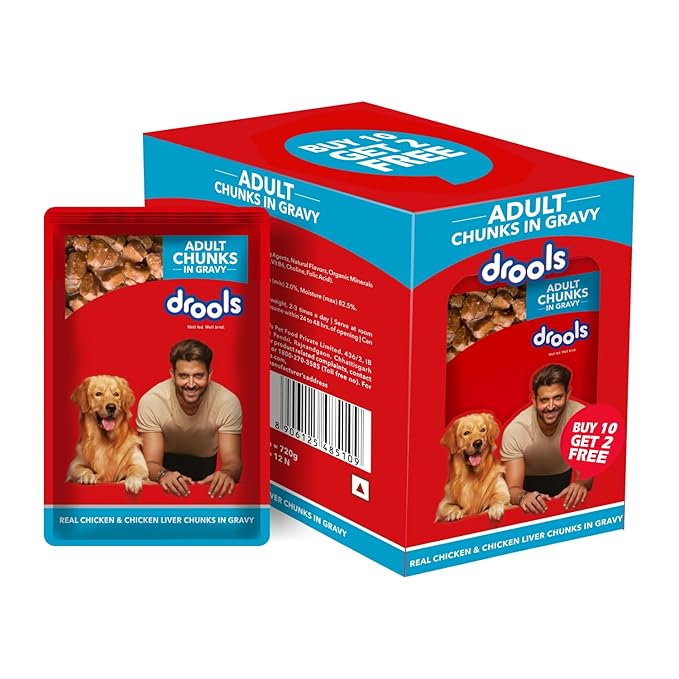
Chunks in gravy provide a mix of texture and moisture. The chunks offer chewing satisfaction, while the gravy keeps the food flavorful and hydrating. Incorporating this type supports boosting your dog’s diet with wet dog food: a practical guide for picky eaters.
3. Stew or Chunky Mix
Stews include larger pieces of meat and vegetables in a broth, ideal for dogs that enjoy variety in texture. Feeding stew is a practical way to boost your dog’s diet with wet dog food: a practical guide, combining taste and nutrition.
4. Organic or Grain-Free Options
Many brands offer organic or grain-free wet dog food for sensitive or health-conscious dogs. These options demonstrate boosting your dog’s diet with wet dog food: a practical guide for owners seeking natural ingredients or avoiding allergens.
Nutritional Benefits
Wet dog food can offer a complete and balanced diet, rich in essential nutrients:
-
Proteins: Support muscle growth and repair
-
Fats: Provide energy and support coat health
-
Vitamins and Minerals: Boost immunity, bone health, and overall vitality
-
Fiber: Aids digestion and prevents constipation
Incorporating these nutrients regularly through wet dog food is an effective method for boosting your dog’s diet with wet dog food: a practical guide and ensuring long-term health.
Feeding Guidelines
Feeding wet dog food correctly is critical for maximum benefits:
-
Portion Control: Follow package guidelines or consult a veterinarian to determine the right portion size for your dog’s weight and age.
-
Mixing with Dry Food: Wet dog food can be combined with dry kibble to enhance palatability and hydration.
-
Meal Frequency: Divide daily portions into two or three meals to maintain energy levels and avoid overeating.
-
Storage: Refrigerate unused portions and follow expiration guidelines to ensure freshness.
These feeding strategies ensure boosting your dog’s diet with wet dog food: a practical guide is effective, safe, and sustainable.
Choosing the Right Brand
Selecting the best wet dog food involves evaluating several factors:
-
Ingredients: Look for high-quality proteins, minimal fillers, and no artificial additives.
-
Life Stage: Puppies, adults, and seniors have different nutritional requirements.
-
Health Needs: Consider specific dietary needs like weight management, sensitive stomachs, or joint support.
-
Reputation and Reviews: Trusted brands with positive reviews ensure consistent quality.
Choosing wisely ensures boosting your dog’s diet with wet dog food: a practical guide delivers the right nutrition tailored to your dog’s needs.
Benefits Beyond Nutrition
Wet dog food isn’t just about feeding; it contributes to overall well-being:
-
Improved Hydration: Especially beneficial for dogs prone to urinary issues.
-
Enhanced Appetite: Encourages eating in picky or recovering dogs.
-
Weight Management: Controlled portions with balanced nutrients help maintain healthy weight.
-
Dental Health Support: Soft textures can complement dental chews and brushing routines.
Regularly incorporating wet dog food into your dog’s diet is a simple way to boost your dog’s diet with wet dog food: a practical guide for long-term wellness.
Comparing Wet Dog Food Brands
Choosing the right brand is crucial for maximizing nutrition and palatability. Some top considerations include:
1. Premium Brands
Premium brands often use high-quality meat, vegetables, and vitamins. They prioritize complete nutrition without fillers. Feeding premium wet dog food is an ideal way of boosting your dog’s diet with wet dog food: a practical guide, especially for health-conscious owners.
2. Mid-Range Brands
Mid-range options balance quality and affordability. They provide essential nutrients and are suitable for everyday feeding, supporting boosting your dog’s diet with wet dog food: a practical guide without breaking the budget.
3. Specialty Diet Brands
These brands cater to specific health needs such as weight management, grain-free formulas, or sensitive stomachs. Incorporating specialty wet dog food demonstrates boosting your dog’s diet with wet dog food: a practical guide for pets with unique dietary requirements.
4. Organic and Natural Brands
Organic or natural wet dog foods emphasize minimally processed ingredients, no artificial additives, and sustainable sourcing. Using these brands highlights boosting your dog’s diet with wet dog food: a practical guide in a natural, wholesome way.
Puppy Diets: Starting Right
Puppies require high protein, fats, and essential nutrients for growth. Wet dog food can be particularly beneficial for:
-
Encouraging Appetite: Soft, flavorful meals appeal to young dogs.
-
Digestibility: Smooth textures make digestion easier for developing systems.
-
Hydration: Added moisture supports healthy organ development.
Feeding puppies appropriately with wet food is an excellent method of boosting your dog’s diet with wet dog food: a practical guide for long-term health and vitality.
Adult Dog Nutrition
Adult dogs benefit from wet dog food that supports maintenance and energy:
-
Balanced Nutrients: Ensures healthy muscles, skin, and coat.
-
Portion Control: Helps prevent weight gain with controlled servings.
-
Variety: Mixing wet food with dry kibble prevents meal boredom.
Using wet food in an adult dog’s diet continues boosting your dog’s diet with wet dog food: a practical guide, enhancing overall wellness.
Senior Dog Diets
Senior dogs face different nutritional needs, including joint support, easier digestion, and fewer calories:
-
Soft Texture: Supports teeth and gums that may be sensitive.
-
High Moisture Content: Aids in hydration and kidney health.
-
Tailored Nutrients: Vitamins, minerals, and antioxidants support aging bodies.
Including wet dog food in senior diets is an effective strategy for boosting your dog’s diet with wet dog food: a practical guide, ensuring comfort and vitality in later years.
Homemade Wet Dog Food Options
For owners who prefer home-prepared meals, wet dog food can be made safely with proper guidance:
-
Protein Sources: Chicken, turkey, beef, or fish cooked and diced.
-
Vegetables: Carrots, peas, and pumpkin provide fiber and vitamins.
-
Carbohydrates: Rice, oats, or sweet potatoes for energy.
-
Supplements: Essential oils, calcium, or multivitamins as recommended by a vet.
Homemade options allow flexibility while still boosting your dog’s diet with wet dog food: a practical guide tailored to your dog’s unique needs.
Health Benefits for Skin and Coat
Wet dog food contributes to a shiny, healthy coat and reduces skin problems:
-
Omega-3 and Omega-6 Fatty Acids: Support coat shine and skin elasticity.
-
Protein Content: Essential for hair growth and repair.
-
Hydration: Helps prevent dry skin and itching.
Feeding wet dog food consistently helps boost your dog’s diet with wet dog food: a practical guide for maintaining a healthy, beautiful coat.
Digestive Health
Dogs with sensitive stomachs benefit greatly from wet dog food:
-
Easily Digestible: Softer textures are gentle on the gut.
-
Added Moisture: Supports smooth digestion and prevents constipation.
-
Prebiotics and Fiber: Many wet foods include fiber to aid digestion.
Regular feeding demonstrates boosting your dog’s diet with wet dog food: a practical guide, improving digestive health and overall comfort
Seasonal Feeding Strategies
Seasonal changes can affect your dog’s appetite and nutritional needs. During warmer months, dogs may be less active and require lighter meals, whereas in colder months, increased activity may call for more calorically dense food. Wet dog food can help maintain hydration during hot seasons and provide balanced energy throughout the year. Rotating flavors and textures seasonally can also help prevent boredom and encourage consistent eating habits.
Transitioning from Dry to Wet Food
Switching your dog from a dry kibble diet to wet food should be done gradually to avoid digestive upset:
-
Introduce Slowly: Mix a small portion of wet food into the existing dry food.
-
Increase Gradually: Over 7–10 days, gradually increase the proportion of wet food.
-
Monitor Reactions: Observe for changes in stool, appetite, or digestion.
-
Consistency: Keep feeding times regular to help your dog adjust smoothly.
This approach ensures a smooth transition and helps your dog adapt to new textures and flavors.
Combining Wet and Dry Diets
Many owners choose a mixed feeding approach to balance nutrition, cost, and convenience:
-
Mixing Meals: Combine measured amounts of dry kibble and wet food in a single meal.
-
Separate Meals: Offer dry food at one time of day and wet food at another.
-
Health Benefits: The combination provides hydration, palatability, and dental benefits from the dry kibble.
Balanced combination feeding ensures dogs receive a variety of textures and nutrients, keeping meals interesting and nutritionally complete.
Addressing Picky Eaters
Some dogs may be hesitant to try wet food. Strategies to encourage eating include:
-
Warming the Food: Slightly warm wet food to enhance aroma and appeal.
-
Mixing with Treats: Combine small amounts of favorite treats or broth to encourage eating.
-
Routine Introduction: Offer wet food at the same times each day to build familiarity.
-
Gradual Texture Changes: Slowly introduce new textures to prevent rejection.
Consistent, patient approaches help picky eaters accept new diets while maintaining overall nutrition.
Common Myths and Misconceptions
Many pet owners have questions or concerns about wet dog food:
-
Myth 1: Wet Food Causes Obesity: Wet food is not inherently fattening; portion control and balanced feeding prevent weight gain.
-
Myth 2: Wet Food is Less Nutritious than Dry: High-quality wet food provides complete nutrition when fed according to guidelines.
-
Myth 3: Wet Food is Expensive: While per-can costs may appear higher, the health benefits and palatability often justify the investment.
-
Myth 4: Dogs Will Only Eat Wet Food: Gradual introduction and mixing with dry food help dogs enjoy both options.
Understanding these myths allows owners to make informed decisions about their dog’s diet.
Practical Feeding Tips
Effective feeding practices enhance your dog’s experience and ensure proper nutrition:
-
Scheduled Feeding: Maintain consistent meal times to support digestion and routine.
-
Portion Control: Measure meals according to weight, age, and activity level.
-
Hydration Support: Always provide fresh water alongside wet food.
-
Observation: Track eating habits, energy levels, and stool quality to adjust diet if necessary.
Applying these tips keeps dogs healthy and happy while making mealtime enjoyable for both pets and owners.
Storage and Safety
Proper storage ensures wet dog food remains fresh and safe:
-
Refrigeration: Store unused portions in airtight containers in the fridge.
-
Expiration Awareness: Check labels and discard expired cans or pouches.
-
Avoid Contamination: Use clean utensils to serve food and prevent bacterial growth.
-
Batch Preparation: If using homemade wet food, store in portioned containers to maintain freshness.
Safe storage practices protect your dog’s health and maximize the benefits of a wet food diet.
Homemade Wet Dog Food Recipes
Creating wet dog food at home can be rewarding, giving you control over ingredients and freshness. Here are a few easy and nutritious recipes:
Chicken and Vegetable Stew
-
Ingredients: Chicken breast, carrots, peas, sweet potatoes, a small amount of rice.
-
Preparation: Cook chicken thoroughly, steam vegetables, and combine with rice. Let it cool before serving.
-
Benefits: High in protein, vitamins, and minerals, supporting growth and energy
Fish and Rice Medley
-
Ingredients: Cooked white fish, brown rice, peas, carrots.
-
Preparation: Steam fish and vegetables, mix with rice, and cool.
-
Benefits: Rich in omega-3 fatty acids for a healthy coat and brain development.
Tips for Homemade Wet Food
-
Always introduce new recipes gradually.
-
Avoid onions, garlic, chocolate, and other toxic foods.
-
Consult a veterinarian for balanced nutrition, especially for growing or special-needs dogs.
Nutritional Supplements and Boosters
To enhance wet food meals, consider these additions:
-
Fish Oil: Promotes coat shine and supports joint health.
-
Calcium or Bone Meal: Supports strong bones and teeth.
-
Probiotics: Helps maintain gut health and digestion.
-
Vitamin Mixes: Ensures balanced nutrition if homemade recipes lack certain nutrients.
Adding supplements thoughtfully can elevate meals and provide extra health benefits without overfeeding.
Travel-Friendly Wet Food Strategies
Traveling with pets requires planning to maintain nutrition and hydration:
-
Portable Containers: Use small, airtight containers or travel pouches.
-
Single-Serve Portions: Pre-portion meals to reduce mess and ensure freshness.
-
Cooling Options: Keep wet food cool in insulated bags or travel fridges.
-
Easy Clean-Up: Bring wipes or small utensils for feeding on-the-go.
By planning ahead, you can maintain your dog’s diet during trips, keeping meals nutritious and stress-free.
Special Considerations for Senior Dogs
Older dogs often require dietary adjustments:
-
Lower Calories: Senior dogs are less active and need fewer calories.
-
Joint Support: Include wet food with glucosamine or supplements for joint health.
-
Soft Texture: Easier to chew and digest, especially for dogs with dental issues.
-
Enhanced Nutrients: Vitamins and antioxidants help support aging organs.
Adjusting wet food meals for senior dogs ensures they remain comfortable, healthy, and happy in their golden years.
Special Considerations for Dogs with Health Conditions
Dogs with certain health conditions may benefit from tailored wet food options:
-
Sensitive Stomachs: Choose easily digestible proteins and avoid fillers.
-
Weight Management: Wet food helps with portion control and satiety.
-
Kidney or Liver Concerns: Low-sodium or specialized veterinary formulas can support organ health.
-
Allergies: Grain-free or hypoallergenic options reduce reactions.
Working with a veterinarian ensures wet food meets specific health needs safely.
Encouraging Regular Feeding
Maintaining a routine helps dogs thrive:
-
Scheduled Feeding Times: Keeps digestion consistent and prevents overeating.
-
Positive Reinforcement: Reward dogs for eating and exploring new flavors.
-
Rotating Flavors: Introduce new recipes or brand flavors to keep meals exciting.
-
Observation: Monitor appetite, energy, and stool quality to adjust portions or ingredients as needed.
A consistent, engaging approach keeps dogs interested in meals while supporting overall health.
Combining Wet and Dry Diets Long-Term
Many dog owners find a combination of wet and dry food works best for overall nutrition. Wet food provides hydration, flavor, and digestibility, while dry kibble supports dental health and is convenient for storage. Alternating or mixing meals allows dogs to enjoy variety, reducing mealtime boredom and encouraging consistent eating habits.
When combining diets, it’s important to measure portions carefully to maintain appropriate calorie intake. Monitor your dog’s weight, energy levels, and stool quality to ensure the combination supports overall health. Some dogs prefer one texture over the other, so gradual introduction and observation help prevent food rejection.
Seasonal Feeding Adjustments
Dogs’ nutritional needs can shift with the seasons. In warmer months, increased hydration from wet food helps maintain fluid balance, while lighter meals can prevent overeating. In colder months, slightly higher-calorie meals can provide energy for maintaining body warmth. Seasonal rotation of flavors and ingredients can also keep meals interesting, supporting appetite and overall well-being.
By planning diets with these seasonal and combined feeding strategies, you ensure your dog receives balanced nutrition year-round, stays hydrated, and enjoys every meal without unnecessary stress for both pets and owners.






Leave A Comment