

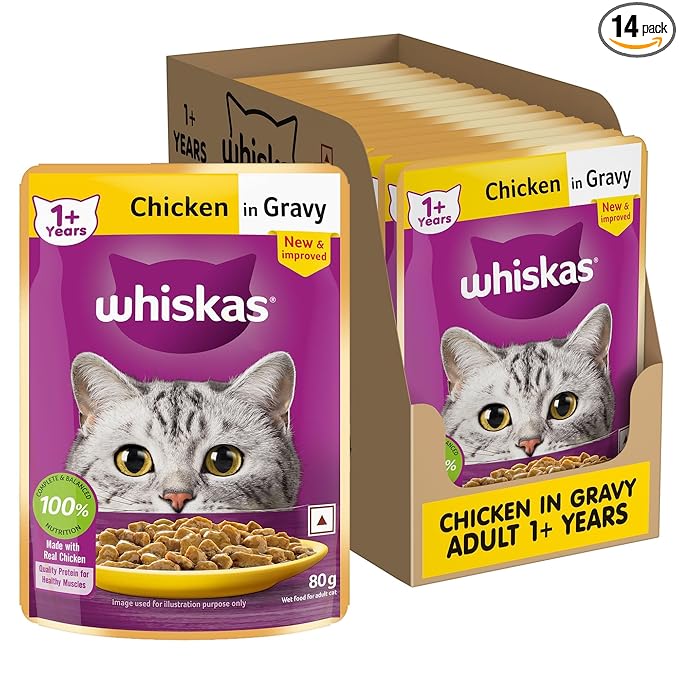
Wet Cat Food: The Complete Guide to Feline Nutrition, Health, and Well-Being
Introduction
Nutrition is the cornerstone of feline health, and choosing the right diet is critical to ensuring longevity, vitality, and happiness in cats. Among the many dietary options, wet cat food has emerged as a preferred choice for cat owners worldwide, including India, due to its high moisture content, palatability, and nutritional balance. Unlike dry kibble, wet cat food closely resembles the natural diet of domestic cats, offering essential hydration, rich protein sources, and a variety of flavors that satisfy even the fussiest eaters.
In urban Indian homes, where cats often face indoor living constraints, pollution, and temperature variations, provides a convenient and nutritious solution. It helps maintain hydration, supports kidney and urinary health, and enhances overall feline satisfaction during feeding. Rural cats also benefit from especially in climates where access to fresh protein may be limited.
The global and Indian pet food industry has witnessed a surge in demand for high-quality wet cat food, reflecting increased awareness among pet parents about feline dietary needs. Modern formulations incorporate balanced proteins, fats, carbohydrates, vitamins, and minerals, ensuring holistic nutrition tailored for kittens, adult cats, and seniors.
Nutritional Science Behind Wet Cat Food
Wet cat food is designed to mimic the natural carnivorous diet of cats, providing high protein levels derived from animal sources, along with essential amino acids like taurine, arginine, and methionine. Taurine, in particular, is vital for heart health, vision, and reproductive function in felines, and it is abundant in well-formulated
Fat content in contributes to energy density, coat shine, and absorption of fat-soluble vitamins, while carbohydrates, when included, are usually minimal and sourced from digestible grains or vegetables. Vitamins and minerals, including calcium, phosphorus, and vitamin D, ensure bone health, immune function, and overall metabolic balance.
Moisture is a defining feature of , typically ranging from 70% to 85%. This high water content supports urinary tract health, reducing the risk of crystals, stones, and dehydration-related issues, which are particularly relevant in Indian climates with hot summers and limited indoor water access.
Health Benefits of Wet Cat Food
Wet cat food offers extensive health advantages beyond hydration. Its benefits include:
-
Hydration Support – Indoor cats often drink insufficient water; the moisture-rich wet cat food compensates, promoting urinary health and reducing kidney stress.
-
Digestive Wellness – The soft texture of aids digestion, reduces constipation, and encourages regular bowel movements.
-
Weight Management – Cats prone to obesity benefit from portion-controlled wet cat food, which provides satiety without excessive calories.
-
Enhanced Palatability – Strong aroma and taste appeal increase food intake in fussy or recovering cats, ensuring they receive adequate nutrition.
-
Skin and Coat Health – Balanced fats and proteins in enhance coat sheen and reduce shedding-related irritation.
Veterinary studies support the role of in preventing urinary tract issues and promoting overall well-being. Cats consuming wet cat food show improved hydration markers, better hair quality, and higher activity levels compared to those on a dry-only diet.
Wet Cat Food Varieties and Ingredients
The diversity of wet cat food caters to different tastes, life stages, and dietary requirements:
-
Protein Sources – Chicken, fish, beef, turkey, lamb, and exotic proteins such as venison or duck provide essential amino acids.
-
Formulations – Paté, chunks in gravy, flaked, minced, and loaf varieties accommodate different preferences and chewing capabilities.
-
Grain-Free Options – Designed for cats with sensitivities, these products use alternative carbohydrate sources like sweet potato or peas.
-
Life-Stage Specific – Special formulas for kittens, adults, and senior cats ensure nutrient requirements are met at every age.
In India, brands often include fortifications for vitamins A, D, E, and omega fatty acids to support coat health, immunity, and cognitive function.
Wet Cat Food in Indian Context
The Indian pet food market has expanded rapidly, offering a wide range of wet cat food options suitable for diverse climates and living conditions. Urban pet owners rely on to provide consistent nutrition amidst busy lifestyles, indoor living, and environmental stressors like heat, pollution, and noise.
Online platforms and retail stores stock both international and Indian brands, offering convenience, variety, and affordability. Seasonal considerations, such as monsoons increasing humidity and infection risk, make wet cat food a hygienic and protective choice. Rural cats benefit from wet cat food as a supplement to locally sourced protein, ensuring balanced nutrition where natural prey may not be available.
Feeding Guidelines and Portion Control
Proper feeding of wet cat food is crucial for feline health:
-
Portioning – Guidelines depend on age, weight, and activity level. Overfeeding can lead to obesity, while underfeeding may cause malnutrition.
-
Mixing with Dry Food – Combining wet cat food with kibble can provide hydration and texture diversity, promoting dental and digestive health.
-
Transitioning Diets – Gradual introduction of prevents digestive upset and encourages acceptance.
-
Serving Frequency – Multiple small meals with help maintain energy levels, particularly for kittens and active adult cats.
Using consistently ensures balanced nutrient intake, prevents deficiencies, and supports optimal growth and maintenance.
Behavioral and Emotional Benefits
Feeding wet cat food goes beyond physical nutrition; it also enhances emotional well-being:
-
Palatability – Cats are naturally selective; aromatic encourages regular feeding and reduces food-related stress.
-
Enrichment – Interactive feeding with in puzzle feeders or slow feeders stimulates mental engagement.
-
Fussy Eaters – Cats recovering from illness or surgery respond positively to soft, moist wet cat food, ensuring continued nutrition.
The sensory appeal of supports mental stimulation and satisfaction, reducing behavioral issues associated with hunger or frustration
Environmental and Sustainability Considerations
Modern wet cat food packaging and production emphasize sustainability:
-
Eco-Friendly Packaging – Recyclable cans, pouches, and reduced plastic use minimize environmental impact.
-
Responsible Sourcing – High-quality proteins from sustainable farms or fisheries ensure ethical production.
-
Carbon Footprint – Compared to some processed dry foods, can reduce energy expenditure related to production and storage.
Consumers increasingly choose wet cat food brands that prioritize sustainability, aligning pet nutrition with environmental responsibility.
Safety, Storage, and Hygiene
Maintaining freshness and safety is critical when feeding
-
Storage – Refrigerate unused portions immediately; sealed containers prevent bacterial growth.
-
Serving Practices – Avoid leaving wet cat food out for extended periods; discard leftovers beyond recommended times.
-
Clean Bowls – Regular washing prevents contamination and ensures consistent hygiene.
Proper handling of wet cat food preserves nutritional value and reduces the risk of digestive upset or foodborne illness.
Trends, Innovations, and Research
The global and Indian wet cat food market is evolving rapidly:
-
New Flavors and Textures – Chicken, fish, beef, and exotic blends cater to diverse tastes.
-
Organic and Functional Foods – Formulations support urinary health, weight management, and skin/coat improvement.
-
Scientific Studies – Research confirms the benefits of in hydration, urinary health, and nutrient absorption.
-
Consumer Trends in India – Growing awareness, online accessibility, and brand variety increase adoption of wet cat food across urban and suburban households.
Comparison with Other Diets
When compared to dry food, raw diets, or home-cooked meals, wet cat food offers:
-
Higher moisture content, supporting urinary health
-
Improved palatability for picky eaters
-
Convenience and consistent nutrient balance
-
Safe, controlled ingredient sourcing
While other diets may have advantages in specific areas, remains a versatile, reliable staple for feline nutrition.
Common Misconceptions
Some myths about wet cat food include:
-
Causing dental problems – Proper feeding routines and supplemental dental care mitigate risks.
-
Leading to obesity – Portion control ensures balanced caloric intake.
-
Inferior nutrition – Modern wet cat food is scientifically formulated to meet all dietary needs.
Educating pet owners ensures informed choices and better feline health outcomes.
Advanced Nutritional Insights
High-quality is formulated to provide complete and balanced nutrition for cats of all life stages. Proteins derived from animal sources such as chicken, fish, lamb, beef, and turkey supply essential amino acids, particularly taurine, which is critical for heart health, retinal function, and reproductive well-being. The fat content in supports energy needs, absorption of fat-soluble vitamins, and a healthy, glossy coat.
Carbohydrates in are minimal but serve as digestible energy sources, often derived from grains, vegetables, or legumes. Vitamins and minerals such as calcium, phosphorus, vitamin D, and B-complex ensure bone health, neurological support, and metabolic efficiency. Moisture levels, ranging from 70% to 85%, make ideal for hydration, especially in climates where cats may not drink sufficient water.
Advanced formulations now include omega-3 and omega-6 fatty acids to support skin and coat health, antioxidants to boost immunity, and prebiotics or fiber to enhance gut function. Regular consumption of helps prevent urinary tract infections, maintains digestive regularity, and supports healthy weight management.
Behavioral and Emotional Benefits
Feeding enhances not just physical health but also behavioral and emotional well-being. The aroma, taste, and texture stimulate appetite and provide sensory enrichment, particularly for indoor cats prone to boredom. Interactive feeding methods using wet cat food, such as puzzle feeders or portion-controlled dishes, encourage mental stimulation and prevent overeating.
Fussy eaters, recovering cats, or those with diminished appetite due to age or illness often respond positively to wet cat food, ensuring they receive proper nutrition. A well-fed cat is calmer, more social, and less likely to exhibit stress-related behaviors.
Wet Cat Food and Indian Urban Environments
In Indian cities, cats often live in apartments or indoor settings with limited access to fresh prey or outdoor activity. Urban pollution, high temperatures, and limited water intake increase the need for hydrating, nutrient-rich
Regular feeding with wet cat food helps maintain urinary health, supports coat condition, and prevents behavioral stress due to inadequate hydration or nutrient deficiencies. Urban pet owners increasingly rely on wet cat food as a convenient and reliable source of balanced nutrition.
Wet Cat Food in Rural India
Rural cats may have more outdoor access but limited consistent protein sources. Wet cat food provides complete, balanced nutrition that may be lacking in locally sourced diets. Seasonal variations, such as extreme heat or monsoon dampness, increase the need for moisture-rich, digestible food. Wet cat food ensures rural cats maintain optimal hydration, energy, and coat health even in less controlled environments.
Environmental and Sustainability Considerations
Modern wet cat food brands emphasize environmentally conscious production.
-
Eco-Friendly Packaging – Recyclable cans, BPA-free pouches, and reduced plastic waste contribute to sustainability.
-
Responsible Sourcing – Protein is obtained from ethical farms or fisheries, minimizing environmental impact.
-
Energy Efficiency – Production and storage of are optimized to reduce carbon footprint compared to some dry or processed diets.
Pet owners are increasingly choosing brands that prioritize environmental stewardship while maintaining nutritional quality.
Trends and Innovations
The wet cat food market in India and globally continues to innovate:
-
Functional Wet Cat Food – Formulated for urinary health, weight management, hairball control, and sensitive digestion.
-
Organic and Natural Options – Free from artificial preservatives, colors, and flavors.
-
Exotic Flavors – Duck, venison, salmon, and ocean fish variants for taste variety.
-
Scientific Research – Supports benefits in hydration, coat health, gut microbiome balance, and palatability.
Consumer preferences in India increasingly favor high-quality, ethically sourced, and health-focused products, reflecting awareness of feline dietary needs
Storage, Safety, and Hygiene
Proper handling of wet cat food ensures safety and maintains nutritional value:
-
Refrigeration – Store unused portions in sealed containers; discard leftovers beyond recommended time frames.
-
Fresh Serving – Serve wet cat food immediately after opening to prevent bacterial contamination.
-
Bowl Hygiene – Wash bowls after each meal; avoid cross-contamination with other foods.
-
Portion Control – Feed the appropriate amount based on cat size, age, and activity level.
Maintaining proper storage and feeding hygiene maximizes the health benefits
Feeding Guidelines
Feeding wet cat food requires attention to quantity, frequency, and combination with dry food if desired:
-
Kittens – Multiple small meals with high protein content.
-
Adults – 2–3 meals daily; portion based on caloric needs.
-
Senior Cats – Easily digestible wet cat food, smaller meals, enriched with joint support nutrients.
Combining it with dry food can enhance texture variety, maintain dental health, and provide balanced hydration
Comparison with Other Diets
Wet cat food offers distinct advantages compared to dry kibble, raw diets, or homemade meals:
-
Superior hydration due to high moisture content
-
Higher palatability and sensory stimulation
-
Balanced, scientifically formulated nutrition
-
Safe, controlled ingredients with minimized contamination risk
While dry food may benefit dental health and raw diets can provide protein variety, wet cat food remains essential for hydration, urinary tract health, and picky eater satisfaction.
Common Misconceptions
Many myths exist regarding wet cat food:
-
Dental Health – Proper feeding routines prevent decay; dry food alone is not necessary for teeth.
-
Weight Gain – Portion control ensures supports healthy weight.
-
Inferior Nutrition – Premium formulations are complete and balanced for all life stages.
Education and proper feeding practices dispel these misconceptions.
Cats are naturally carnivorous animals, and their digestive systems are specifically adapted to process animal proteins efficiently. Wet cat food provides high-quality proteins that are easier to digest compared to some dry kibble or home-cooked meals. The soft texture of wet cat food ensures that even senior cats or those with dental issues can consume meals comfortably, reducing stress during feeding and promoting consistent nutrient intake. Additionally, the moisture content in wet cat food aids in digestion by softening food and promoting smoother passage through the gastrointestinal tract.
One of the critical aspects of feeding wet cat food is its role in supporting kidney and urinary health. Cats are prone to urinary tract issues, especially in environments where water consumption is low. Wet cat food’s high water content contributes significantly to overall hydration, diluting urine and reducing the risk of crystal formation. In urban Indian households, where indoor cats may not have constant access to fresh water, incorporating wet cat food into their diet becomes a preventive measure against kidney and bladder problems.
Behavioral and emotional factors also play a significant role in feeding practices. Wet cat food is often more aromatic and flavorful than dry food, which helps entice cats that are fussy or reluctant eaters. The sensory appeal of wet cat food stimulates appetite and provides a rewarding experience during mealtime, fostering positive associations with feeding routines. Cats that enjoy their meals are more likely to exhibit balanced energy levels, better social interaction with owners, and reduced stress-related behaviors such as scratching or excessive vocalization.
In terms of nutrition, wet cat food often includes a range of essential vitamins and minerals that support overall feline health. These nutrients are critical for maintaining strong bones, healthy skin, and a shiny coat. Fatty acids, particularly omega-3 and omega-6, are commonly added to wet cat food formulas to improve skin elasticity and coat luster. Antioxidants help support the immune system, while amino acids like taurine remain vital for heart and eye health. Providing a diet rich in these nutrients ensures that cats maintain peak physical condition and are better equipped to handle environmental stressors.
Another advantage of wet cat food is its versatility in feeding routines. It can be served as a complete meal, combined with dry food for texture variety, or used as a topper to encourage cats to eat other foods. This flexibility allows pet owners to tailor feeding practices to the individual preferences and dietary needs of their cats. For multi-cat households, wet cat food can also help manage portion control, as measured servings can prevent overfeeding and maintain healthy body weight.
Storage and handling are important considerations to maximize the benefits of wet cat food. Once opened, wet cat food should be stored in airtight containers and refrigerated to maintain freshness and prevent bacterial contamination. Serving food at room temperature enhances palatability, as cats are naturally drawn to foods that approximate the warmth of prey. Clean feeding bowls after each meal to reduce the risk of contamination and ensure consistent hygiene, which supports digestive health.
The growing popularity of wet cat food in India reflects a shift in pet care culture. Urban pet owners are increasingly seeking high-quality, nutritionally complete, and convenient feeding options. Online marketplaces and local pet stores provide a wide range of wet cat food products, catering to different tastes, life stages, and dietary requirements. Many brands now emphasize ethical sourcing, natural ingredients, and scientifically backed formulations, appealing to conscious consumers who prioritize both feline health and sustainability.
In conclusion, wet cat food serves as more than just a meal; it is a comprehensive solution for hydration, nutrition, and overall well-being. Its benefits extend from physical health, such as kidney and coat support, to emotional satisfaction through palatability and feeding enrichment. By incorporating wet cat food into daily feeding routines, cat owners ensure their pets enjoy balanced nutrition, improved hydration, and enhanced quality of life. In both urban and rural Indian contexts, wet cat food represents a modern, effective, and accessible choice that supports the long-term health and happiness of cats.







Leave A Comment