

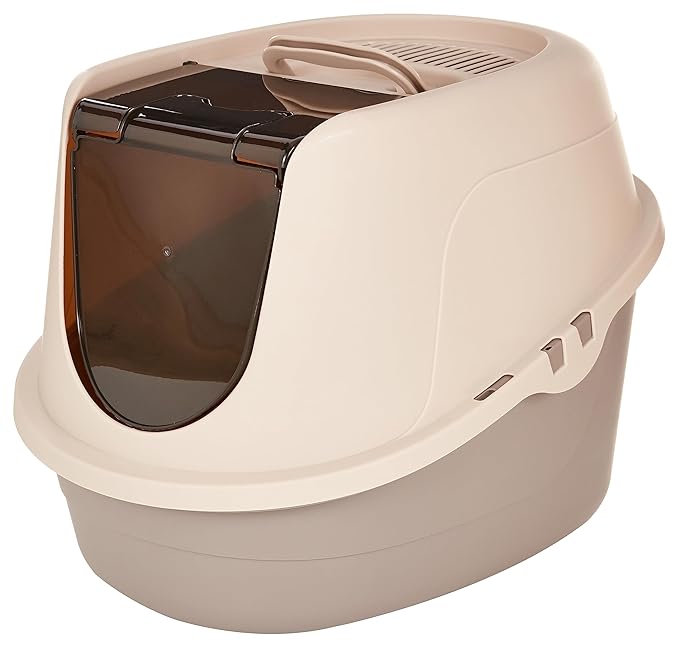
Litter Box for Cats
Every cat owner knows that a is more than just a convenience—it’s a necessity. Choosing the right l can make a world of difference for both you and your feline friend. In this comprehensive guide, we’ll explore everything from types of , their placement, maintenance, and tips to keep your home odor-free and your cat happy.
Types of Litter Boxes for Cats
When it comes to litter boxes for cats, there are several types to consider:
-
Open Litter Box for Cats
An open is simple, easy to clean, and lets your cat feel unconfined. Many cats prefer open boxes because they can see their surroundings and feel safe. -
Covered Litter Box for Cats
A covered litter box for cats provides privacy and helps contain odors. However, some cats dislike covered boxes as they feel trapped. Choosing a covered with a removable lid makes cleaning easier. -
Self-Cleaning Litter Box for Cats
A self-cleaning is perfect for busy owners. These advanced use sensors to automatically scoop waste, ensuring your cat always has a clean space. -
Top-Entry Litter Box for Cats
Top-entry litter boxes for cats prevent spills and are great for homes with multiple cats. Your cat enters from the top, reducing litter scatter around the house. -
Disposable Litter Box for Cats
Disposable are ideal for travel or temporary use. These lightweight litter boxes for cats are easy to replace and convenient for short-term solutions.
Choosing the Right Litter Box for Cats
Selecting the perfect litter box for cats involves several considerations:
-
Size Matters: Your cat should fit comfortably. A cramped can cause accidents outside the box.
-
Number of Cats: For multiple cats, provide multiple —a good rule is one per cat plus one extra.
-
Material: Durable plastic litter boxes for cats are easy to clean and long-lasting.
-
Ease of Cleaning: Some have removable trays for effortless cleaning.
Where to Place a Litter Box for Cats
Placement is crucial when setting up a litter box for cats. Choose a quiet, low-traffic area, avoiding kitchens or near noisy appliances. Cats prefer privacy, so avoid placing litter boxes for cats in open, noisy spaces. Multiple should be spread across different areas if you have more than one cat.
Litter Box for Cats Maintenance Tips
Maintaining a litter box for cats is key to your cat’s health:
-
Daily Scooping: Scoop your litter box for cats at least once a day.
-
Weekly Cleaning: Wash your with mild soap and warm water weekly.
-
Use Quality Litter: Opt for clumping litter that controls odor effectively in your litter box for cats.
-
Replace When Needed: Even the best wear out over time. Replace as necessary.
Common Issues with Litter Boxes for Cats
Even with the perfect problems can arise:
-
Cat Avoiding Litter Box: This could be due to stress, illness, or a dirty litter box for cats.
-
Overcrowding: Too many cats with too few litter boxes for cats can lead to territorial disputes.
-
Odor Problems: Regular cleaning and quality litter prevent odor issues in your
Health Benefits of Using a Litter Box for Cats
A clean litter box for cats helps prevent urinary tract infections and encourages good hygiene. Monitoring waste in your litter box for cats can also help detect health problems early.
Tips to Make Your Cat Love Its Litter Box
-
Consistency: Keep the litter box for cats in the same location.
-
Comfortable Litter: Cats prefer soft, unscented litter in their
-
Cleanliness: Daily scooping keeps your litter box for cats appealing.
-
Positive Reinforcement: Reward your cat for using the to reinforce good behavior.
How to Introduce a New Litter Box for Cats
Introducing a new litter box for cats requires patience. Cats are creatures of habit, and sudden changes can cause confusion. Here’s how to do it effectively:
-
Place It Near the Old Box: Initially keep the new litter box for cats close to the existing one so your cat can explore it safely.
-
Gradual Transition: Slowly move the to its permanent location over several days.
-
Positive Reinforcement: Reward your cat with treats or praise when it uses the new litter box for cats.
-
Consistency: Ensure the litter type remains the same to make your feel familiar
Choosing the Right Litter for Your Litter Box for Cats
The right litter enhances the comfort and hygiene of your litter box for cats. Options include:
-
Clumping Litter: Forms solid clumps, making scooping your litter box for cats easier.
-
Non-Clumping Litter: Absorbs urine without clumping; some cats prefer it in their litter box for cats.
-
Crystal Litter: Absorbs moisture and controls odor in your litter box for cats efficiently.
-
Natural/Organic Litter: Biodegradable litter made from corn, wheat, or pine is eco-friendly for your litter box for cats.
Selecting the perfect litter ensures your remains clean, odor-free, and inviting.
How Often Should You Clean Your Litter Box for Cats?
A clean litter box for cats is vital for your cat’s health:
-
Daily Scooping: Remove clumps and waste to maintain a hygienic litter box for cats.
-
Weekly Wash: Clean your thoroughly with mild soap and warm water.
-
Monthly Litter Replacement: Completely replace the litter in your litter box for cats monthly, even if scooped regularly.
Regular maintenance keeps your fresh and encourages your cat to use it consistently.
Litter Box for Cats for Multi-Cat Homes
Managing multiple cats means extra attention to litter boxes for cats. Here’s what to keep in mind:
-
Provide Enough Boxes: Rule of thumb—one litter box for cats per cat plus one extra.
-
Separate Locations: Spread the throughout the house to avoid territorial disputes.
-
Monitor Behavior: Watch for signs of stress or avoidance of the litter box for cats, which could indicate conflicts.
-
Use Different Types: Some cats prefer covered , while others like open ones—mixing types can improve usage.
Proper management ensures all cats feel comfortable using their litter boxes for cats.
Solving Common Litter Box Problems
Even with the best litter boxes for cats, issues can arise. Here are solutions:
-
Urination Outside the Box: Check if the litter boxes for cats is clean, appropriately sized, and in a quiet location.
-
Territorial Behavior: Provide multiple in different areas to reduce conflicts.
-
Odor Issues: Use high-quality clumping litter and scoop daily to keep your litter box for cats fresh.
-
Aversion to Litter Type: Experiment with different litter options in your until your cat finds a favorite.
Addressing problems promptly ensures your litter box for cats remains a safe and welcoming place.
Litter Box for Cats and Cat Health
Monitoring your cat’s litter habits in a litter box for cats can help detect health problems early:
-
Urinary Tract Infections: Frequent urination or straining in your litter box for cats can signal a UTI.
-
Digestive Issues: Unusual stool may indicate digestive problems.
-
Behavioral Changes: Avoidance of the litter box for cats can point to stress or illness.
A well-maintained litter box for cats is more than a convenience—it’s a health monitoring tool.
Tips to Make Your Litter Box for Cats More Appealing
Cats can be picky about their litter boxes for cats. Make it inviting with these tips:
-
Quiet Location: Place your litter boxes for cats in a calm, low-traffic area.
-
Proper Size: Ensure your is large enough for your cat to turn around comfortably.
-
Soft Litter: Use unscented, soft litter in your litter boxes for cats to encourage usage.
-
Keep it Clean: Daily scooping keep hygienic and appealing.
-
Avoid Scented Cleaners: Strong scents can deter cats from using their litter boxes for cats.
These small adjustments can make a huge difference in your cat’s comfort and consistency.4
Travel-Friendly Litter Boxes for Cats
Traveling with cats requires a litter box for cats that is portable, lightweight, and leak-proof.
-
Foldable Litter Boxes for Cats: These collapsible boxes are perfect for trips and easy storage.
-
Disposable Litter Boxes for Cats: Great for short trips; simply dispose of
-
Top-Entry Travel Litter Boxes for Cats: Reduces spills during movement and keeps litter contained.
Always bring extra litter for your litter boxes for cats when traveling to ensure comfort and consistency.
Litter Box for Cats Accessories
Enhancing your litter box for cats with accessories can improve your cat’s experience:
-
Liners: Disposable liners make cleaning your faster and easier.
-
Mats: Place a litter mat under your litter boxes for cats to catch scattered litter.
-
Odor Absorbers: Baking soda or charcoal pads reduce smells in your
-
Scoops and Scooping Tools: Keep your litter boxes for cats pristine with efficient scoops.
Accessories not only make maintenance simpler but also keep your hygienic and appealing.
Covered vs. Open Litter Boxes for Cats
Choosing between a covered and open litter box for cats depends on your cat’s behavior and household needs.
-
Covered Litter Boxes for Cats:
-
Pros: Privacy, odor control, keeps litter contained.
-
Cons: Can trap odors, some cats feel confined.
-
-
Open Litter Boxes for Cats:
-
Pros: Spacious, easy access, cats feel less trapped.
-
Cons: Odor spreads more easily, litter may scatter.
-
Some households benefit from offering both types of to accommodate different cat preferences.
Seasonal Considerations for Your Litter Box for Cats
Maintaining a litter box for cats throughout the year requires attention to seasonal changes:
-
Summer: Warm temperatures can increase odors; scoop more frequently and use odor-absorbing litter in your litter boxes for cats.
-
Winter: Keep your litter boxes for cats in a warm area to encourage usage and prevent litter from hardening.
-
Rainy Season: Ensure the area stays dry to prevent mold and odors.
Seasonally adjusting care ensures your litter boxes for cats remains inviting and hygienic.
Training Kittens to Use a Litter Box for Cats
Introducing kittens to a litter boxes for cats requires patience and consistency:
-
Show Them the Box: Place the kitten inside after meals or naps.
-
Use Gentle Encouragement: Praise your kitten when it uses the litter boxes for cats correctly.
-
Keep It Clean: Kittens are sensitive to odors; a clean litter box for cats encourages usage.
-
Multiple Boxes: If you have several kittens, provide multiple litter boxes for cats to prevent accidents.
Proper training ensures kittens grow accustomed and avoid inappropriate elimination.
Litter Box for Cats Myths Debunked
There are many misconceptions about litter boxes for cats:
-
Myth 1: Cats prefer scented litter.
-
Reality: Most cats prefer unscented litter in their litter boxes for cats.
-
-
Myth 2: One litter boxes for cats is enough for multiple cats.
-
Reality: Provide at least one litter boxes for cats per cat plus one extra.
-
-
Myth 3: Covered litter boxes for cats are always better.
-
Reality: Some cats dislike the confined space
-
Understanding these truths ensures your litter boxes for cats is used effectively.
Advanced Cleaning Hacks for Your Litter Box for Cats
Keeping a litter box for cats spotless is essential for both hygiene and cat satisfaction. Here are some advanced tips:
1. Vinegar Cleaning Method
Use a mixture of vinegar and warm water to scrub your litter boxes weekly. Vinegar neutralizes odors and eliminates bacteria.
2. Baking Soda Odor Control
Sprinkle a thin layer of baking soda under the litter in your It absorbs moisture and keeps unpleasant smells at bay.
3. Hot Water Rinse
Occasionally rinse your litter box with hot water (without soap) to remove lingering residues and odors.
4. Scoop Daily
Daily scooping ensures your litter boxes for cats remains inviting. Neglecting this can lead to your cat avoiding the box.
5. Replace Worn-Out Boxes
Even with perfect care, plastic litter boxes for cats can develop scratches that harbor bacteria. Replace your litter box for cats every 12–18 months.
Eco-Friendly Litter Box for Cats
Sustainability matters, Eco-friendly options include:
-
Biodegradable Litter: Made from corn, wheat, or pine, these litters reduce environmental impact in your litter box
-
Recyclable Plastic Boxes: Choose boxes that can be recycled when they wear out.
-
DIY Sustainable Litter Boxes for Cats: Use upcycled bins or boxes as temporary litter boxes for cats.
These eco-friendly options make your litter box for cats both pet- and planet-friendly.
Senior Cat Considerations for Litter Box for Cats
Older cats may have mobility or health issues, making litter box access challenging. Keep these points in mind:
-
Low-Entry Boxes: A low-entry litter box prevents strain on aging joints.
-
Multiple Boxes: Provide several litter box to reduce walking distance.
-
Soft Litter: Senior cats prefer gentle, soft litter in their litter boxes
-
Accessible Location: Avoid placing in high or confined spaces.
Adapting your litter box for cats to senior needs ensures comfort and consistency.
Multiple-Cat Household Dynamics
Managing multiple cats requires strategic placement of litter boxes for cats:
-
Spread Out Boxes: Avoid clustering all litter boxes for cats in one area.
-
Monitor Usage: Some cats may avoid a litter box for cats dominated by a more assertive cat.
-
Provide Variety: Mix covered and open litter boxes for cats to cater to different preferences.
-
Extra Boxes: Always follow the “one per cat plus one” rule for litter boxes for cats.
Proper planning keeps all cats comfortable with their litter boxes for cats.
Troubleshooting Unusual Litter Box Behavior
If your cat stops using its litter boxes , consider these solutions:
-
Medical Check: Avoid assuming behavioral problems—health issues can lead to avoiding the
-
Stress Reduction: Reduce environmental stressors around
-
Cleanliness: Ensure the litter box is scooped daily and washed regularly.
-
Type or Litter Change: Some cats dislike changes, so try returning to a previous litter type or box style.
Addressing the cause promptly helps restore trust
Litter Box for Cats and Odor Control
Odor is the number one complaint among cat owners. Keep your smelling fresh with these tips:
-
High-Quality Clumping Litter: Efficiently traps waste in your .
-
Odor Absorbers: Charcoal or baking soda under the litter in your litter boxes helps neutralize smells.
-
Regular Washing: Clean your weekly to prevent odor buildup.
-
Ventilated Location: Place your litter Boxes in a well-ventilated area to disperse smells.
A clean litter box keeps both you and your cat happy.
Innovative Litter Box for Cats Designs
Modern come in creative designs that enhance both aesthetics and function:
-
Furniture-Style Litter Boxes for cats : Disguised as cabinets or benches, these blend with home decor.
-
Automated Litter Boxes for Cats: Sensors scoop waste automatically, keeping the clean.
-
Modular Litter Boxes for Cats: Expandable units allow for multiple boxes in one system, perfect for multi-cat households.
These innovations make owning a easier and more attractive.
Choosing the Right Litter Box Mat and Accessories
Adding mats under your cat’s bathroom area can dramatically reduce litter scatter and make cleanup easier. Rubber or silicone mats trap loose granules while being easy to shake out or wash. Some mats are textured to help your cat’s paws stay clean, preventing tracking throughout the home.
Accessories like scoop holders, liners, and odor-neutralizing inserts enhance convenience. Liners reduce the need to wash the tray frequently, while charcoal or baking soda inserts keep the area fresh. Choosing the right combination of accessories ensures a more hygienic and pleasant experience for both you and your pet.
Understanding Cat Behavior Around the Box
Cats are particular creatures, and their habits around their elimination area reveal much about their comfort and health. Some prefer corners, while others may choose more open spaces. Changes in usage patterns can indicate stress, illness, or environmental shifts. Observing these behaviors closely helps in adjusting the setup, choosing the right litter texture, and providing adequate privacy.
Training Young Cats
Introducing kittens to a bathroom area requires patience. Early exposure after meals or naps helps them associate the space with elimination. Using consistent litter and maintaining cleanliness encourages correct usage. Rewarding successful behavior with treats or gentle praise reinforces positive habits and reduces the likelihood of accidents outside the designated area
Long-Term Care
Regular monitoring and care ensure your cat maintains consistent habits. Cleaning weekly, replacing worn-out boxes, and observing behavioral patterns helps prevent issues from escalating. Providing multiple options in larger households and ensuring the setup is accessible and comfortable for aging cats improves their quality of life over the long term.


Leave A Comment