

Dog collar for training are essential pet accessories designed for safety, identification, and style. They provide a secure fit for attaching leashes and tags while keeping your pet comfortable and fashionable.
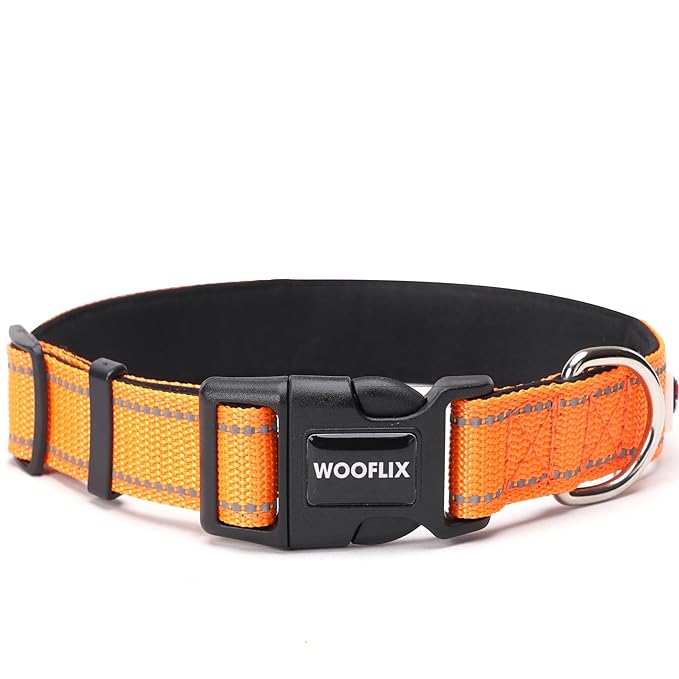
WOOFLIX Reflective Dog Collar For Training And Walks|Adjustable Nylon Training Collar With Tactical Buckle And D-Ring For Medium And Large Dogs|Reflective Dog Collar|(Large, Orange, 13 Cm X 15 Cm) Visit the WOOFLIX Store 4.1 4.1 out of 5 stars (130) | Search this page Limited time deal
Original price was: ₹699.00.₹439.00Current price is: ₹439.00.
Description
About this item
- Dog collar for training Safety comes first. Our wooflix dog collar features a high-visibility reflective strip that shines brightly in low light, keeping your dog visible during evening walks and outdoor adventures. Crafted from durable nylon, our wooflix reflective dog collar for small, medium, and large dog is not only built to last but also comfortable for your furry friend to wear day in and day out.
- – : Our Wooflix collar dog dogs and puppies come in multiple color and size options with an adjustable strap, achieving the perfect fit for your dog, ensuring comfort, safety, and security. The convenient quick-release buckle ensures hassle-free on-and-off, making dressing your dog a seamless experience. The sturdy metal D-ring allows easy attachment to a leash, providing a reliable and secure connection during walks.
- : Our Wooflix Dog Collar reflective strip guarantees visibility in low light, safeguarding your dog during night walks or in dimly lit areas. Wooflix Dog collar blends safety with style, making your dog stand out and exuding charm on every outing. The internal padding is crafted from soft yet durable materials, this collar ensures your dog’s comfort throughout the day and does not hurt the neck skin, unlike other brands.
- : The adjustable strap ensures a snug fit for dogs of various sizes, preventing discomfort or slippage. The sturdy D-ring provides a secure point for leash attachment, maintaining control during walks.
- , , : Perfect for dogs of all breeds and sizes. Whether you have an active puppy or a mature companion, our Wooflix Reflective Dog Collar adds an extra layer of safety to every adventure. Dog Collar Material Details: Material – Durable Nylon | Highly Reflective Strip on Collar: Yes | Adjustable Strap: Yes | Buckle Type: Quick-Release | D-Ring: Sturdy Metal Ring
-
Dog Collars for Training – The Complete Guide to Control, Comfort, and Success
Introduction
Training is one of the most important responsibilities of being a dog owner. Whether it’s teaching basic obedience, correcting unwanted behavior, or guiding advanced skills, proper training ensures a strong bond between pet and parent. One of the most effective tools in this process is the use of dog collars for training. These collars are designed with functionality in mind, helping owners communicate more clearly with their pets while keeping them safe, comfortable, and focused.
Unlike regular collars that serve mainly as identification or walking aids, dog collars for training come with specialized designs that make the learning process easier. They can support leash guidance, behavior correction, and discipline in a humane, effective way when used properly. With so many types available, owners can find the right option that matches their dog’s personality, breed, and training goals.
Why Dog Collars for Training Are Essential
Training without the right tools can be frustrating for both the pet and the owner. Dogs may pull, bark excessively, ignore commands, or become distracted easily. By incorporating dog collars for training, pet parents gain a valuable aid that enhances communication.
-
Clear Guidance: Dogs learn better when signals are consistent and easy to understand.
-
Behavior Management: Helps reduce issues like pulling, lunging, or jumping.
-
Safety: Prevents pets from running into dangerous areas during lessons.
-
Confidence: Dogs become more secure when they know what is expected.
Different Types of Dog Collars for Training
1. Flat Collars
The most basic type, flat collars are often used for young puppies beginning obedience training. They provide a simple, lightweight introduction to wearing collars.
2. Martingale dog collars for training
Popular among trainers, martingales tighten slightly when a dog pulls, providing gentle correction without choking. They’re especially useful for breeds with narrower heads.
3. Head Collars
These collars wrap around the dog’s muzzle and neck, giving owners more control over head movement. They are effective for managing pulling during walks.
4. Prong Collars
Though controversial, prong collars distribute pressure evenly around the neck to correct stubborn pulling behavior. They should only be used under expert guidance dog collars for training.
5. Vibration and Remote Collars
Modern dog collars for training often include vibration or sound signals instead of harsh corrections. These are excellent for teaching commands or recall training.
6. Choke Chains (Traditional)
Less common today due to concerns about misuse, choke chains tighten fully when pulled. Many trainers now prefer martingale or prong alternatives.
7. GPS-Enabled dog collars for training
For adventurous dogs, some training collars include GPS tracking, allowing owners to combine safety with obedience lessons.
Benefits of Dog Collars for Training
-
Improved Focus: Dogs learn commands faster with clear signals.
-
Reduced Pulling: Walks become easier and more enjoyable.
-
Better Communication: Owners can give immediate corrections or rewards.
-
Confidence Building: Dogs thrive when they understand boundaries.
-
Versatility: Suitable for basic obedience, agility, or even advanced skills.
When used consistently, dog collars for training create a foundation for lifelong good behavior.
Choosing the Right Dog Collar for Training
Every dog is unique, so selecting the right collar is crucial.
-
Size: Measure the dog’s neck for a snug but comfortable fit.
-
Breed: Larger, stronger breeds may need sturdier collars.
-
Temperament: Gentle dogs may respond well to martingale or head collars.
-
Training Goal: Basic obedience requires different tools than behavior correction.
By assessing these factors, owners can choose dog collars for training that meet both their needs and their dog’s comfort level.
How to Use Dog Collars for Training Effectively
-
Introduce Gradually: Allow the dog to get comfortable with the collar.
-
Short Sessions: Begin with brief training periods to avoid stress.
-
Positive Reinforcement: Pair corrections with praise or treats.
-
Consistency: Use the collar the same way every time to avoid confusion.
-
Monitor Fit: Adjust as the dog grows or changes weight.
When used properly, dog collars for training do not cause harm. Instead, they become a tool of communication and trust.
Training Methods with Dog collars for training Basic Obedience
Collars are used to teach sit, stay, and heel commands with gentle corrections and rewards.
Behavior Correction
Pulling, lunging, or excessive barking can be reduced using specialized collars designed for correction.
Socialization
During interactions with other dogs, collars provide better control, preventing fights or overexcitement.
Advanced Skills
Agility or service training often uses collars to ensure dogs remain attentive and responsive.
The Role of Dog Collars for Training in Puppyhood
For puppies, collars serve as an introduction to structure. Lightweight and comfortable versions are best for young learners. Early experiences with dog collars for training help puppies develop into disciplined, confident adults.
Adult and Senior Dogs
Older dogs may require different collars depending on their strength and health. For seniors, padded collars reduce strain, while for active adults, durable collars withstand heavy pulling. No matter the age, dog collars for training ensure continued guidance and support.
Common Mistakes to Avoid dog collars for training
-
Using a collar that is too tight or too loose.
-
Over-reliance on corrections without positive reinforcement.
-
Choosing the wrong type of collar for the dog’s temperament.
-
Skipping professional advice for specialized collars like prong or head types.
Proper use ensures dog collars for training remain safe and effective.
Testimonials from Pet Owners
Pet parents often share how collars transformed their training sessions. Dogs that once pulled uncontrollably learned to walk calmly. Others learned commands faster, thanks to clear guidance. These real-life stories demonstrate how dog collars for training make everyday life easier.
Maintenance and Care
To keep dog collar for training safe and effective:
-
Wash nylon collars with mild soap.
-
Wipe leather collars and condition them regularly.
-
Inspect buckles, prongs, or D-rings often.
-
Replace collars if damaged or worn out.
A well-maintained collar ensures continued effectiveness in training.
Future of Dog collars for training
Technology is shaping the future of dog collar for training. Innovations like Bluetooth connectivity, GPS, and mobile app integration allow for even greater control. These advancements provide humane ways to train while keeping dogs safe and comfortable.
The Balance Between Training and Bonding
Training is not only about discipline—it’s about strengthening the relationship between dog and owner. Collars play a supporting role in communication, but trust and love are the foundation. When used with kindness, dog collar for training ensure both pet and parent enjoy a fulfilling partnership.
-
-
Dogs are intelligent, social animals that thrive on structure, guidance, and clear communication. Training them is not just about teaching commands—it’s about creating mutual respect and understanding. To achieve this, many owners turn to dog collar for training, which have been developed specifically to support learning, correct problem behaviors, and make daily life smoother for both dogs and their families.
Unlike ordinary collars, which often serve only as identification holders or simple walking tools, dog collar for training are thoughtfully designed to influence behavior in safe and effective ways. They provide an important balance of control and comfort, enabling owners to manage pulling, barking, lunging, or ignoring commands while reinforcing positive habits.
The Importance of Training for Dogs
Untrained dogs can struggle with basic discipline, often leading to stress for both the animal and the household. Problems like pulling on the leash, running after vehicles, or jumping on guests are common but can be managed with consistent practice. Proper training ensures that dogs remain safe, obedient, and happy in any environment.
This is where dog collar for training prove invaluable. They give owners a practical tool for redirecting unwanted behavior while teaching new skills in a structured, humane manner.
What Makes Dog Collar for Training Different?
While regular collars are mainly decorative or functional, training collars are engineered for a specific purpose: communication. Dogs respond best when cues are immediate and consistent. Training collars deliver those signals, whether through gentle tightening, vibration, sound, or simply better control of movement.
Key distinctions include:
-
Specialized designs that correct without causing harm.
-
Stronger materials to withstand pulling and rough activity.
-
Adjustability for a tailored fit during long training sessions.
-
Multiple styles suited for different temperaments and goals.
By understanding these differences, pet owners can appreciate why dog collar for training are widely recommended by professional trainers.
Common Types of Dog Collar for Training
Martingale Collars
These are designed with a limited-slip feature that tightens slightly when the dog pulls. They prevent slipping out of the collar while discouraging excessive pulling .dog collar for training
Prong Collars
Though sometimes debated, prong collars distribute pressure evenly across the neck. When used responsibly, they can help strong, stubborn dogs learn leash manners effectively.
Head Collars
These give owners control of the dog’s head, making it easier to redirect attention. They are especially useful for large, energetic dogs prone to pulling.
Remote Training Collars
Also known as e-collars, these use vibration, sound, or mild static correction to reinforce commands. They are modern, adjustable, and designed for humane use.
Standard Flat Collars
Simple but effective, flat collars are often used with puppies or well-behaved dogs for basic leash training.
Each option has its purpose, and the right choice depends on the dog’s breed, age, and temperament.
Benefits of Using Dog Collar for Training
-
Improved Control – Dogs learn quickly when owners can guide them effectively.
-
Behavioral Corrections – Reduces issues like lunging, chewing, or excessive barking.
-
Safety in Public – Ensures dogs stay by their owner’s side and out of danger.
-
Consistency – Provides clear cues that dogs can understand.
-
Confidence Building – Helps shy or anxious dogs feel more secure.
When integrated into daily practice, dog collar for training become not just tools, but gateways to better companionship.
The Psychology Behind Training Collars
Dogs are creatures of habit who rely heavily on body language and immediate feedback. Training collars are effective because they provide clear, timely communication. A gentle tug, a vibration, or a sound works as a signal, helping dogs associate actions with outcomes.
Used properly, these signals do not harm. Instead, they mimic natural corrections that dogs would receive from other dogs in a pack setting. This psychological reinforcement is one reason dog collar for training are considered reliable tools in obedience programs.
Practical Tips for Using Dog Collar for Training
-
Always introduce the collar in a calm, positive environment.
-
Start with short training sessions to avoid overwhelming your dog.
-
Pair corrections with rewards such as treats or praise.
-
Adjust the collar for a snug but comfortable fit.
-
Never rely solely on the collar—use it as part of a balanced training plan.
When applied with patience, dog collar for training encourage faster results and reduce stress during the learning process.
Training Puppies vs. Adult Dogs
Puppies
For young dogs, light and comfortable collars are best. Early training focuses on leash manners and basic commands. Puppies respond well to martingale or flat collars.
Adults
Adult dogs may require sturdier collars due to their size and strength. Depending on behavior, prong, head, or remote collars may be appropriate.
In both cases, dog collar for training help owners manage behavior in a safe, constructive way.
Advanced Uses in Specialized Training
-
Agility Training: Collars keep dogs focused during obstacle practice.
-
Service Dogs: Training collars ensure precision and responsiveness.
-
Working Dogs: Police or military dogs rely on specialized collars for discipline.
-
Therapy Dogs: Gentle collars help maintain calmness in sensitive environments.
The versatility of dog collar for training allows them to be useful across a wide spectrum of canine roles.
Common Misconceptions
Some people assume training collars are harsh or harmful. In reality, when used responsibly, they are no more dangerous than a regular leash. The key lies in correct fitting, proper timing, and pairing corrections with positive reinforcement. Trainers worldwide emphasize that dog collar for training are humane tools when applied with knowledge and care.
Maintenance and Care
To ensure longevity and effectiveness :dog collar for training
-
-
-
Wash nylon collars with soap and warm water.
-
Clean prong collars with a damp cloth.
-
Store remote collars safely when not in use.
-
Regularly check buckles, rings, and fastenings for wear.
Clean, well-maintained collars keep training safe and efficient.
Testimonials from Owners and Trainers
Many owners praise how these collars transformed their relationships with their dogs. From controlling strong pullers to calming anxious pups, the success stories are countless. Professional trainers also endorse the responsible use of dog collar for training, noting that results often come faster compared to collar-free methods.
The Future of Training Collars
As technology evolves, collars are becoming smarter. GPS integration, mobile app tracking, and customizable vibration patterns are just some of the innovations emerging. These modern upgrades add layers of safety and precision, ensuring dog collar for training remain relevant in the years ahead.
-
-
Training is not just about teaching obedience—it is about strengthening the connection between dogs and their owners. A well-trained dog feels more secure and is more likely to behave calmly in different environments. By using dog collar for training, owners can establish consistent communication that dogs understand clearly. This reduces confusion, builds trust, and ultimately deepens the bond between human and pet.
Dogs thrive on routine and structure. When they know what is expected, they gain confidence in their surroundings and in their relationship with their owners. Training collars provide the cues needed to reinforce that structure, ensuring that lessons are learned quickly and remembered for life.
Everyday Practicality
Dog collar for training Another reason these collars are so valuable is their practicality in daily life. Beyond structured training sessions, collars are useful during walks, vet visits, or even simple outings. They give owners peace of mind that their pets are under control in unpredictable situations. A dog that responds to collar cues will be safer near traffic, other animals, or busy public spaces.
dog collar for training ,Owners often report that walks become far more enjoyable when dogs are well-trained. Instead of being dragged along or dealing with constant pulling, the experience becomes calm and stress-free. This makes it possible to spend more quality time outdoors, enjoying exercise and fresh air together.
Safety and Responsibility
Every pet parent has a duty to ensure their dog does not pose a risk to others or to itself. dog collar for training help fulfill this responsibility. They prevent dogs from running into roads, jumping on strangers, or fighting with other animals. By maintaining control, owners keep their communities safer while protecting their beloved pets.
Responsible use also shows respect for other people. Not everyone is comfortable around dogs, and a disciplined, well-behaved pet helps reduce anxiety in public areas. Training collars are a simple yet powerful tool to ensure dogs can coexist peacefully in shared spaces.
Beyond Training: Lifelong Benefits
The positive effects of proper training extend far beyond puppyhood or obedience classes. Dogs that learn through collars often carry those lessons into adulthood and old age. They become more adaptable, better socialized, and easier to care for in every situation.
For example, grooming, boarding, or medical treatment becomes less stressful when a dog is accustomed to following commands. A collar-trained dog is also easier to travel with, whether by car, train, or plane. These lifelong benefits highlight why so many experts recommend investing in dog collar for training early in a pet’s life.
-
Training a dog is one of the most rewarding responsibilities for any pet owner, and having the right tools makes the process smoother. Among these, dog collar for training stand out as an essential choice. They are designed not only to provide control but also to encourage learning through gentle guidance, making everyday routines less stressful for both owner and pet.
One of the biggest benefits of using dog collar for training is the ability to address common behavioral problems such as pulling, jumping, or ignoring commands. With proper use, the collar becomes a communication tool that signals to the dog what is acceptable and what is not. This helps create consistency, which is the foundation of effective training.
Comfort and safety are equally important. High-quality dog collar for training are built with soft, durable materials that prevent irritation while still offering strength and security. Many modern designs also include adjustable straps and quick-release buckles to ensure a perfect fit. Owners can feel confident knowing their pet is both safe and comfortable during practice.
Another advantage is adaptability. Whether working with a young puppy learning basic commands or an adult dog that needs correction, dog collars for training can be used in different environments. From busy streets to quiet parks, they provide reassurance and control.
Ultimately, dog collars for training are more than accessories—they are investments in a better future for your pet. By choosing the right collar and applying it responsibly, owners can enjoy stronger bonds, safer outings, and well-mannered companions who respond with trust and confidence.
Final Thoughts
Dog training is a journey that requires patience, consistency, and the right tools. Collars designed for training purposes provide the support necessary to achieve success without frustration. They combine safety, comfort, and functionality in one accessory, making them indispensable for modern pet owners. With responsible use, these collars not only teach obedience but also nurture stronger relationships and healthier lifestyles for both dogs and their families.

Reviews
There are no reviews yet.