

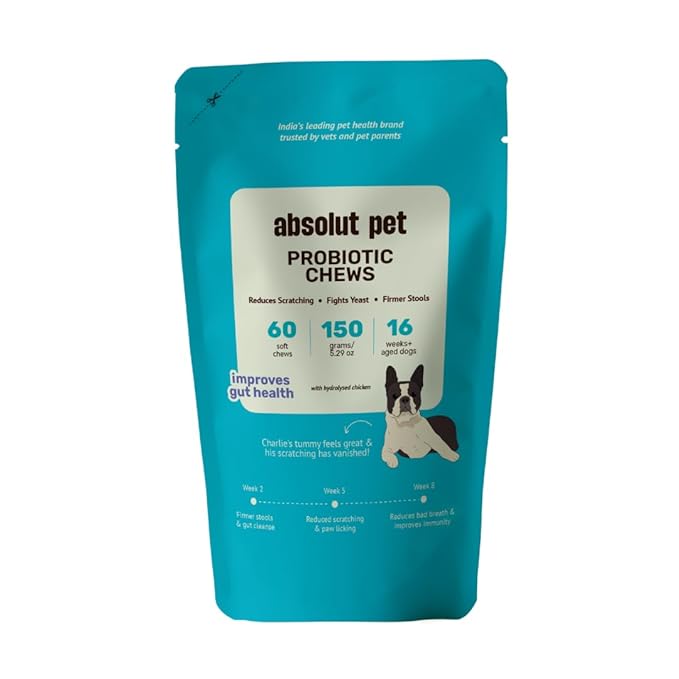
Probiotics for Dogs: A Complete Pet Parent’s Guide
Introduction
Dogs are more than just pets; they are family. As responsible pet parents, we constantly look for ways to improve their health, happiness, and quality of life. One of the most powerful yet often overlooked tools for achieving this is probiotic for dogs. These supplements are designed to restore balance in the digestive system, support immunity, and boost overall well-being.
Just like humans, dogs have trillions of microorganisms living in their gut. While many of these bacteria are beneficial, an imbalance can lead to issues such as diarrhea, constipation, allergies, skin conditions, and even low energy. That’s why probiotic for dogs have become increasingly popular in recent years—they help restore harmony in the gut microbiome, ensuring that your furry friend thrives.
In this detailed guide, we will explore the science behind probiotics, the benefits of using probiotic for dogs, how to choose the right product, and the myths that often confuse pet owners. By the end, you’ll have all the knowledge you need to make informed choices for your dog’s health.
What Are Probiotic for Dogs?
At their core, probiotics are live microorganisms that, when consumed in adequate amounts, provide health benefits to the host. In the case of probiotics for dogs, the host is your canine companion. These supplements contain strains of beneficial bacteria that naturally reside in the gut but may be depleted due to poor diet, antibiotics, stress, or illness.
Unlike harmful bacteria that cause infections, probiotics are known as “good bacteria.” They help break down food, absorb nutrients, strengthen immunity, and prevent harmful microbes from taking over. Probiotics for dogs are available in various forms, including powders, capsules, chews, and even treats, making it easy for pet parents to include them in a daily routine.
The Benefits of Probiotic for Dogs
The reason so many veterinarians recommend probiotics for dogs is that they provide a wide range of benefits that extend beyond digestion. Let’s look at some of the most important advantages.
1. Improved Digestion
One of the primary roles of probiotics is to aid in digestion. Probiotics for dogs help break down food more efficiently, allowing for better absorption of nutrients. This means your dog gets the most out of every meal.
2. Relief from Diarrhea and Constipation
Digestive issues like diarrhea and constipation are common in dogs, often caused by stress, dietary changes, or illness. Regular use of probiotics for dogs can help normalize bowel movements and reduce discomfort.
3. Stronger Immune System
A significant portion of the immune system resides in the gut. By maintaining a balanced gut microbiome, probiotics for dogs help strengthen immunity, making your pet less susceptible to infections and illnesses.
4. Reduced Allergies and Skin Problems
Allergies and skin irritations often stem from internal imbalances. By restoring gut health, probiotics for dogs can reduce allergic reactions, itching, and skin inflammation.
5. Better Nutrient Absorption
Healthy bacteria in the gut ensure proper breakdown and absorption of vitamins, minerals, and proteins. This makes probiotics for dogs essential for puppies, senior dogs, and those with nutritional deficiencies.
6. Stress Management
Dogs can experience stress due to travel, vet visits, separation anxiety, or environmental changes. Stress disrupts gut health, but probiotics for dogs help maintain balance even during these times, reducing the risk of diarrhea or other stress-related issues.
How Probiotics for Dogs Work
The gut microbiome of a dog is a complex ecosystem. It contains both good and bad bacteria that compete for space and nutrients. When the harmful bacteria outnumber the beneficial ones, health issues arise. This imbalance is known as dysbiosis.
Probiotics for dogs work by introducing billions of beneficial bacteria into the digestive tract. These bacteria colonize the intestines, crowding out harmful microbes and producing compounds that inhibit their growth. At the same time, they support digestion by producing enzymes and vitamins.
Think of probiotics for dogs as reinforcements that strengthen the army of good bacteria, helping your dog’s body restore balance naturally.
Signs Your Dog May Need Probiotic Supplements
Not every dog will need probiotics every day, but certain signs indicate that your furry friend could benefit from them. Watch out for the following symptoms:
-
Frequent diarrhea or constipation
-
Excessive gas or bloating
-
Bad breath despite good dental care
-
Food allergies or intolerances
-
Itchy skin or recurring ear infections
-
Low energy or frequent illnesses
-
Stress-related digestive issues
If your dog displays these symptoms, adding probiotics for dogs to their routine can help improve their quality of life.
Types of Probiotics for Dogs
There are different forms of probiotics for dogs, each with unique benefits.
-
Powders – Easy to sprinkle on food and ensure even distribution.
-
Capsules – Great for precise dosing and targeted strains.
-
Chews and Treats – Tasty and convenient, especially for picky eaters.
-
Yogurt and Kefir – Natural sources of probiotics, but they may not provide consistent dosing.
-
Specialized Veterinary Formulas – Designed for specific conditions such as chronic diarrhea or immune support.
When choosing probiotics for dogs, look for products with multiple strains, high colony-forming units (CFUs), and those specifically formulated for canine needs.
Choosing the Right Probiotics for Dogs
Not all probiotic products are created equal. When selecting probiotics for dogs, keep the following in mind:
-
Strain Specificity – Look for strains known to benefit dogs, such as Lactobacillus acidophilus, Bifidobacterium animalis, and Enterococcus faecium.
-
CFU Count – Choose a product with billions of CFUs for maximum effectiveness.
-
Stability – Probiotics should be shelf-stable and able to survive stomach acid.
-
Added Ingredients – Avoid products with unnecessary fillers, artificial colors, or preservatives.
-
Veterinary Approval – Always choose supplements recommended or approved by veterinarians.
High-quality probiotics for dogs may cost more, but they provide consistent, reliable results.
How to Give Probiotics to Dogs
Administering probiotics for dogs is usually simple, thanks to the variety of available forms. Most dogs enjoy chewable tablets or treats, while powders can be mixed into food. Capsules may be more challenging but can be hidden in a piece of cheese or a soft treat.
For best results:
-
Give probiotics with meals.
-
Follow the recommended dosage instructions.
-
Be consistent—probiotics work best with regular use.
-
Monitor your dog’s response and consult your vet if symptoms persist.
Myths About Probiotics for Dogs
Despite their popularity, there are still many myths surrounding probiotics for dogs. Let’s debunk some of the most common misconceptions.
Myth 1: Dogs Can Use Human Probiotics
While some human probiotics may not harm dogs, they are not tailored to canine digestive systems. Always use probiotics for dogs specifically formulated for pets.
Myth 2: All Probiotics Are the Same
Different strains provide different benefits. Choosing the wrong strain may not address your dog’s specific issue.
Myth 3: Probiotics Work Instantly
Probiotics for dogs need time to colonize the gut. Some improvements may be noticeable within days, but long-term benefits require consistent use.
Myth 4: Only Sick Dogs Need Probiotics
Even healthy dogs can benefit from probiotics for dogs, as they help maintain balance and prevent future issues.
Veterinary Insights on Probiotic Supplements for Dogs
Veterinarians often recommend probiotics for dogs for both treatment and prevention. They may prescribe them after antibiotics to restore gut balance, during stressful events like travel, or for dogs with chronic conditions such as inflammatory bowel disease.
Vets stress the importance of choosing high-quality supplements and monitoring your dog’s progress. They also highlight that probiotic supplements for dogs are safe for long-term use in most cases, but individual needs may vary.
Integrating Probiotics Into a Healthy Lifestyle
While probiotics for dogs are incredibly beneficial, they work best when combined with a healthy lifestyle. A balanced diet, regular exercise, proper hydration, and routine vet checkups all contribute to your dog’s overall wellness.
Adding probiotics for dogs to this mix ensures that your pet enjoys maximum benefits, from improved digestion to stronger immunity and better skin health.
Advanced Benefits of Probiotics for Dogs
Beyond the basics, there are additional ways probiotic supplements for dogs contribute to well-being:
-
Weight Management – Balanced gut bacteria influence metabolism and weight control.
-
Mental Health – The gut-brain connection means that probiotics for dogs may help reduce anxiety and depression.
-
Anti-Inflammatory Effects – Probiotics reduce inflammation linked to arthritis and joint issues.
-
Dental Health – Some strains help reduce plaque and bad breath.
The Science Behind Probiotic for Dogs
The gut microbiome is a vast ecosystem of bacteria, fungi, and other microorganisms that influence digestion, immunity, and metabolism. When harmful bacteria overpopulate, a condition known as dysbiosis occurs. Dysbiosis is often linked to diarrhea, poor skin health, weakened immunity, and chronic inflammation.
Probiotics for dogs restore microbial balance by introducing beneficial strains such as:
-
Lactobacillus acidophilus
-
Bifidobacterium animalis
-
Enterococcus faecium
-
Lactobacillus rhamnosus
These strains colonize the intestines, crowding out harmful bacteria and producing enzymes that aid in digestion. Over time, they create a stable gut environment, ensuring that your dog’s body functions at its best.
Puppies and Probiotics for Dogs
Puppies have developing digestive systems and weaker immune defenses. During weaning, dietary changes, or vaccinations, their gut microbiomes can be easily disrupted. Adding probiotics for dogs helps stabilize their digestion, reduce diarrhea, and build stronger immunity from an early age.
For puppies, probiotics also promote optimal nutrient absorption—crucial for growth and development. Establishing healthy gut flora early lays the foundation for lifelong wellness.
Senior Dogs and Probiotics for Dogs
Older dogs face challenges like reduced digestive efficiency, chronic illnesses, and weakened immunity. Probiotics for dogs are particularly valuable for seniors because they:
-
Improve nutrient uptake from food
-
Reduce inflammation that worsens arthritis
-
Strengthen immune defenses against infections
-
Maintain energy levels and vitality
For senior dogs, consistent use of probiotics for dogs often leads to improved comfort and a better quality of life.
Probiotics and Different Dog Diets
One of the most important aspects of canine wellness is diet, and the type of food you give your dog directly affects how effective probiotics for dogs can be. Dogs on commercial kibble often deal with more fillers, preservatives, and lower moisture levels, which may sometimes upset digestion. Adding probiotics in this case helps balance out the effects of a dry and sometimes processed diet. They can reduce bloating, gas, and irregular stools while improving nutrient absorption from kibble-based meals.
For pet parents who prefer feeding a raw diet, the benefits of probiotics for dogs are slightly different. Raw diets are naturally rich in enzymes and nutrients, but they can sometimes introduce bacteria that sensitive dogs are not used to. Probiotics help regulate the gut and prevent upset while ensuring the digestive system adjusts properly to raw protein and fats.
Homemade diets also benefit from probiotic support. While home-cooked meals give you full control over ingredients, they may lack natural bacterial diversity. Incorporating probiotics for dogs ensures that even with carefully crafted meals, your dog’s gut receives the beneficial microbes it needs for complete balance.
Regardless of diet type, probiotics act as a stabilizer. They help the body adapt, optimize digestion, and keep harmful bacteria under control. This makes them an essential addition no matter how you choose to feed your furry companion.
Probiotics and Allergy Support
Allergies are among the most common health challenges faced by dogs today. Environmental triggers like pollen, dust, and mold can cause itching, ear infections, and skin irritation. Food sensitivities add another layer of discomfort, leading to digestive upset, diarrhea, or chronic skin conditions. Interestingly, studies have shown that probiotics for dogs can play a supportive role in managing these allergy symptoms.
The gut and the immune system are deeply connected. When the digestive system is healthy, the immune response becomes more balanced and less likely to overreact to allergens. Probiotics work by training the immune system to differentiate between real threats and harmless substances. As a result, dogs who regularly take probiotics for dogs often show reduced itching, fewer hot spots, and calmer skin overall.
For dogs suffering from seasonal allergies, probiotics provide a level of natural relief by moderating inflammation and supporting a strong skin barrier. They also improve the body’s ability to absorb nutrients like omega fatty acids, which further help with skin and coat health. When combined with a proper diet, probiotics become a powerful ally in reducing allergic reactions without heavy reliance on medications.
Prebiotics and Probiotics for Dogs
While probiotics introduce beneficial bacteria, prebiotics act as food for these bacteria. Together, they create a powerful synergy. Many high-quality probiotics for dogs also contain prebiotics, ensuring that beneficial microbes survive, thrive, and multiply within the intestines.
Prebiotics such as chicory root, inulin, and certain fibers enhance the effects of probiotics, making the supplement even more effective.
Types of Probiotics for Dogs
-
Powdered Probiotics – Easy to mix into meals and ideal for picky eaters.
-
Capsules – Offer precise dosing but may require creative administration.
-
Chews and Treats – Convenient, tasty, and popular with most dogs.
-
Probiotic-Enriched Foods – Premium dog foods that include probiotics in their formulation.
-
Veterinary-Specific Blends – Designed for dogs with chronic or severe health issues.
Each form has its advantages, but consistency matters most. Whichever option you choose, stick with it to maximize the benefits of probiotics for dogs.
How to Choose the Right Probiotics for Dogs
When selecting probiotics for dogs, keep these points in mind:
-
Strain Selection: Choose supplements with multiple canine-specific strains.
-
CFU Count: Look for billions of colony-forming units (CFUs) for effectiveness.
-
Stability: Ensure probiotics are shelf-stable and survive stomach acid.
-
Ingredient Quality: Avoid unnecessary fillers, colors, or preservatives.
-
Veterinary Endorsement: Always prioritize products recommended by vets.
Not all probiotics are created equal. Investing in high-quality probiotics for dogs ensures reliable and consistent results.
Myths About Probiotics for Dogs
Myth 1: Human Probiotics Work Just as Well
Human probiotics may not contain strains suited for dogs. Probiotics for dogs are specifically formulated for canine digestive needs.
Myth 2: All Probiotics Are the Same
Different strains serve different purposes. The wrong strain may not address your dog’s specific issue.
Myth 3: Probiotics Show Instant Results
Some benefits appear quickly, but consistent use of probiotics for dogs is necessary for long-term improvements.
Myth 4: Only Sick Dogs Need Probiotics
Even healthy dogs benefit from probiotics, as they prevent issues and maintain balance.
The Gut-Brain Connection
Science now shows that gut bacteria influence mood and behavior. Dogs with digestive imbalances often display anxiety, restlessness, or low energy. By maintaining gut harmony with probiotics for dogs, you may notice improvements in your pet’s emotional stability, making them happier and more sociable.
Lifestyle Factors and Probiotics
Exercise, hydration, and stress management play a role in how well probiotics work. A dog that receives adequate physical activity and lives in a stable environment will benefit more from probiotics for dogs than one constantly under stress. Lifestyle synergy enhances probiotic effectiveness.
Seasonal Use of Probiotics
Dogs experience different challenges throughout the year: allergies in spring, heat stress in summer, and lower immunity in winter. Seasonal adjustments with probiotics for dogs can help your pet cope better during these transitions.
Probiotics and Antibiotics
Antibiotics, while necessary for treating infections, also kill beneficial bacteria in the gut. Giving probiotics for dogs alongside and after antibiotic treatment helps restore balance quickly, reducing side effects like diarrhea and yeast overgrowth.
Long-Term Use and Safety
Most dogs can safely take probiotics for dogs every day as part of their wellness plan. Long-term use supports consistent digestion, immunity, and overall vitality. Since probiotics are natural, side effects are rare when used appropriately.







Leave A Comment