

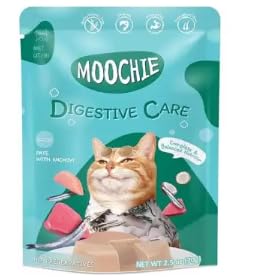
Digestive care products support pets’ gut health by improving digestion, reducing stomach discomfort, and promoting nutrient absorption. They help maintain a balanced digestive system for better overall health and well-being.
Moochie cat Digestive Care 85gms
Original price was: ₹56.00.₹55.00Current price is: ₹55.00.
Description
About this item
- CAT DIGESTIVE CARE MADE WITH QUALITY INGREDIENTS: Indulge your cat with Moochie Wet Cat Food, which is made with high-quality ingredients to provide a nutritious and tasty meal. Each recipe is carefully designed to meet your cat’s dietary requirements, ensuring the best possible nutrition.
- Give your feline the comfort and health they deserve with our Digestive Care Formula – specially designed to support a healthy stomach and smooth digestion. Packed with natural prebiotics, probiotics, and essential nutrients, this product helps reduce stomach discomfort, supports nutrient absorption, and keeps your cat active and happy.
-
A cat’s digestive system is delicate, and when it doesn’t function properly, it can affect everything from appetite to energy levels and overall well-being. Issues like vomiting, diarrhea, constipation, or food sensitivities are not uncommon in felines, especially as they age or experience dietary changes. Digestive care for cats focuses on providing balanced nutrition, gentle ingredients, and supportive supplements that keep the gut healthy and promote smooth digestion.
1. Why Digestive Health Matters
The digestive tract does more than process food—it plays a vital role in nutrient absorption, immune system strength, and toxin elimination. When digestion is compromised, cats may experience weight loss, dehydration, or a dull coat due to poor nutrient uptake. Long-term digestive issues can even lead to chronic health conditions. Proper digestive care ensures that cats get the most from their food while staying comfortable and energetic.
2. Common Digestive Issues in Cats
Cats may face a variety of digestive problems, including:
-
Hairballs: Caused by grooming and ingesting fur.
-
Food Intolerances or Allergies: Leading to vomiting, loose stools, or itchy skin.
-
Constipation: Often due to low fiber intake or dehydration.
-
Sensitive Stomach: Triggered by rich, fatty foods or sudden diet changes.
-
Inflammatory Bowel Disease (IBD): A chronic condition requiring long-term management.
Digestive care diets and supplements are formulated to help manage or prevent these problems.
3. The Role of Nutrition in Digestive Care
Specialized digestive care cat foods are designed with easily digestible proteins, moderate fat levels, and added fiber. Ingredients such as chicken, turkey, or salmon are often used in simple, limited-ingredient diets to minimize stomach upset. Some recipes also avoid common irritants like corn, soy, or artificial additives. By reducing stress on the digestive system, these foods ensure better nutrient absorption and fewer digestive upsets.
4. The Power of Fiber and Prebiotics
Fiber is essential for regulating bowel movements and preventing constipation. Many digestive care formulas include natural fibers from beet pulp, pumpkin, or psyllium husk. Prebiotics—special plant fibers that feed good gut bacteria—also play a key role. They work alongside probiotics to create a healthy gut microbiome, which supports digestion and immunity.
5. Probiotics for Gut Balance
Probiotics are live beneficial bacteria that help balance the intestinal flora. When added to a cat’s diet, they reduce harmful bacteria, improve stool consistency, and enhance overall digestive efficiency. Cats on probiotics often show improvements in stool quality, reduced gas, and even better mood and energy levels due to improved gut health.
6. Hydration and Digestive Comfort
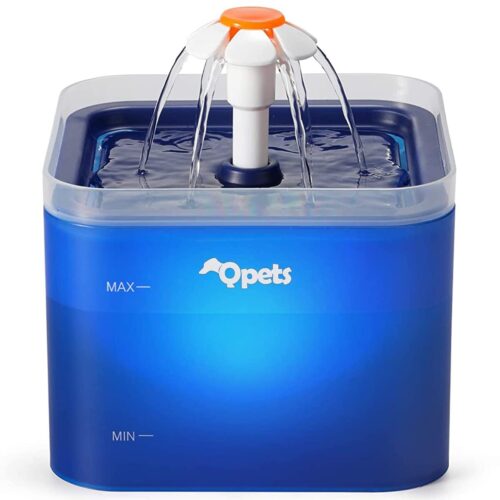
Water plays a critical role in digestion. Cats are naturally low water drinkers, so wet digestive care diets or adding moisture through broths and fountains can help prevent dehydration and constipation. Hydrated digestive tracts move food more smoothly, reducing strain and discomfort.
7. Specially Designed Digestive Care Products
Digestive care is available in several forms:
-
Dry Kibble: Formulated with prebiotics, fiber, and easily digestible proteins.
-
Wet Food: Adds hydration while being gentle on the stomach.
-
Supplements: Probiotic powders, digestive enzymes, or fiber boosters.
-
Hairball Remedies: Specialized treats or pastes that help cats pass ingested fur naturally.
-
Understanding Digestive Sensitivity in Cats
Cats are natural carnivores, and their digestive tracts are designed for protein-rich diets. However, today’s indoor lifestyle and commercially prepared foods sometimes challenge this natural balance. Sensitive digestion can show up as vomiting after meals, frequent diarrhea, constipation, or flatulence. While occasional upset is normal, repeated issues signal the need for digestive support and lifestyle adjustments.
2. Causes of Digestive Issues
Several factors can trigger digestive discomfort in cats:
-
Dietary Changes: Switching food too quickly can upset the stomach.
-
Low-Quality Ingredients: Fillers, artificial flavors, or low-grade proteins strain digestion.
-
Food Allergies/Intolerances: Common triggers include dairy, fish, or grains.
-
Stress and Anxiety: Cats are highly sensitive, and stress can directly impact gut health.
-
Aging: Senior cats often develop slower digestion and reduced enzyme production.
Identifying the cause is the first step in providing effective digestive care.
3. Role of Proper Diet in Digestive Care
Nutrition remains the foundation of digestive health. Cats with sensitive stomachs thrive on easily digestible, high-quality proteins, paired with balanced fat and fiber levels. Limited ingredient diets (LID) are especially helpful as they reduce exposure to potential allergens. Grain-free options, or those with single protein sources like chicken, lamb, or salmon, can simplify digestion and prevent reactions.
4. Natural Remedies for Digestive Support
Beyond specialized diets, some natural ingredients offer significant digestive benefits:
-
Pumpkin: Rich in fiber, it regulates bowel movements and prevents constipation.
-
Ginger: Helps soothe nausea and supports smoother digestion.
-
Slippery Elm Bark: A gentle natural remedy that coats the stomach lining, easing irritation.
-
Aloe Vera Juice (Pet-Safe Form): Supports gut health and helps with inflammation.
Incorporating natural aids under veterinary guidance can improve digestive comfort without harsh chemicals.
5. Importance of Probiotics and Enzymes
A cat’s gut is home to billions of bacteria, both good and bad. Maintaining balance is key. Probiotics add beneficial bacteria that crowd out harmful microbes, improve stool quality, and strengthen the immune system. Meanwhile, digestive enzymes help break down proteins, fats, and carbohydrates, ensuring maximum nutrient absorption. Cats with chronic digestive issues often benefit from long-term probiotic or enzyme supplements.
6. Hydration and Lifestyle Care
Cats are naturally low water drinkers, but hydration is critical for digestion. Dehydration often leads to constipation, especially in dry-food-fed cats. Providing water fountains, wet food, or bone broth encourages better water intake. Lifestyle also matters—stress reduction, regular playtime, and a calm feeding environment can reduce stress-induced digestive upset.
7. Preventive Digestive Care
Digestive health isn’t only about solving problems—it’s about prevention. Key practices include:
-
Transitioning foods gradually over 7–10 days.
-
Feeding smaller, more frequent meals instead of one large portion.
-
Regular grooming to reduce hair ingestion and hairballs.
-
Scheduling routine veterinary checkups to detect issues early.
-
Cat Digestive Care – Complete Guide for Healthy Digestion
When it comes to feline wellness, few things are as important as proper digestion. Cats rely heavily on a balanced diet and a well-functioning digestive system to stay active, playful, and healthy. That’s where cat digestive care comes into the picture. It’s not just about feeding your pet—it’s about ensuring that every stage of digestion, from nutrient absorption to waste elimination, works smoothly.
This comprehensive guide explores every aspect of cat digestive care, from common digestive issues to nutrition, lifestyle habits, supplements, and preventive measures, so you can give your feline friend the best possible care.
1. Why Cat Digestive Care Matters
Cats are obligate carnivores, meaning their bodies are designed to process high amounts of protein. Their digestive systems are shorter and more specialized compared to omnivores, making them efficient at digesting meat but sensitive to other ingredients. Poor digestion can lead to discomfort, loss of appetite, weight issues, and even long-term health complications.
By focusing on cat digestive care, pet owners can:
-
Prevent constipation, diarrhea, and vomiting.
-
Promote nutrient absorption.
-
Improve coat shine and energy levels.
-
Boost immune function.
-
Increase lifespan and quality of life.
2. Understanding the Cat Digestive System
The feline digestive system is a complex yet delicate network. Food passes from the mouth to the stomach, where strong stomach acids break down protein. Nutrients are absorbed in the small intestine, while water is absorbed in the large intestine. Any imbalance along this route can cause digestive distress.
For proper cat digestive care, it’s crucial to know how each organ functions:
-
Mouth & Teeth: Tear food into small pieces.
-
Stomach: Produces acid to digest protein.
-
Small Intestine: Absorbs vitamins, minerals, proteins, and fats.
-
Large Intestine: Regulates water balance and forms stool.
-
Pancreas & Liver: Produce enzymes and bile for fat digestion.
3. Common Digestive Problems in Cats
Cats often experience digestive issues, which makes cat digestive care essential. Some common conditions include:
-
Hairballs: Caused by grooming; can block the stomach or intestines.
-
Diarrhea: Triggered by food intolerance, parasites, or infections.
-
Constipation: Often linked to dehydration, lack of fiber, or obesity.
-
Vomiting: Can result from indigestion, eating too fast, or underlying illnesses.
-
Inflammatory Bowel Disease (IBD): Chronic inflammation in the gut.
-
Food Allergies: Lead to stomach upset, itching, or diarrhea.
Proper monitoring and timely veterinary support are vital in managing these issues.
4. The Role of Nutrition in Cat Digestive Care
Diet is the foundation of good digestion. Cats thrive on a diet rich in animal protein, moderate fat, and minimal carbohydrates. When planning for cat digestive care, consider:
-
High-Quality Protein: Chicken, fish, turkey, or beef.
-
Digestible Carbohydrates: Limited grains or grain-free alternatives.
-
Fiber Sources: Pumpkin, beet pulp, or psyllium husk for gut health.
-
Probiotics & Prebiotics: Improve gut flora and reduce digestive upset.
-
Hydration: Wet food supports water intake and helps prevent constipation.
Avoid fillers like corn, wheat, and soy, which can cause sensitivity.
5. Supplements That Support Cat Digestive Care
Sometimes food alone isn’t enough. Supplements play an important role in cat digestive care:
-
Probiotics: Introduce beneficial bacteria for a balanced gut microbiome.
-
Prebiotics: Feed good bacteria and promote healthy digestion.
-
Digestive Enzymes: Aid in breaking down food, especially for older cats.
-
Omega-3 Fatty Acids: Reduce inflammation in the gut.
-
Herbal Additives: Chamomile and licorice root can soothe stomach irritation.
6. Hydration and Digestion
Cats naturally have a low thirst drive, which can lead to dehydration and constipation. To improve cat digestive care, encourage hydration by:
-
Feeding wet food.
-
Providing multiple water bowls.
-
Using pet fountains to attract interest.
-
Adding broth or tuna water to meals.
7. Lifestyle and Environmental Factors
Stress and lack of exercise also affect digestion. Good cat digestive care isn’t limited to food—it involves overall well-being:
-
Stress Management: Create a calm, predictable environment.
-
Regular Exercise: Play sessions support gut motility.
-
Routine Feeding Schedule: Prevents overeating and indigestion.
-
Grooming: Reduces hairball formation.
8. Veterinary Role in Digestive Health
Regular checkups ensure that potential problems are caught early. A vet may recommend special diets, diagnostic tests, or medications to manage chronic conditions. Preventive veterinary guidance is one of the strongest pillars of cat digestive care.
9. Natural Approaches to Cat Digestive Care
Many pet parents turn to natural remedies for gentle digestive support. Options include:
-
Pumpkin puree: Relieves constipation and diarrhea.
-
Slippery elm bark: Coats and soothes the digestive tract.
-
Plain yogurt: Natural probiotics (in moderation).
-
Bone broth: Adds hydration and nutrients.
These remedies should be used alongside, not instead of, veterinary guidance.
10. Long-Term Benefits of Cat Digestive Care
By investing in cat digestive care, owners notice:
-
Shinier coats.
-
Consistent energy levels.
-
Regular and healthy bowel movements.
-
Fewer vet visits for stomach-related issues.
-
Improved mood and behavior.
Healthy digestion reflects overall health, making this one of the most impactful aspects of feline care.
11. Choosing the Right Digestive Care Products
When shopping for food, supplements, or treats:
-
Look for limited-ingredient formulas.
-
Ensure real meat is the first ingredient.
-
Avoid artificial preservatives or dyes.
-
Consider veterinary-recommended brands.
-
Read customer reviews and clinical research.
12. Case Studies – Success with Cat Digestive Care
-
Senior Cats – An 11-year-old tabby suffering from constipation improved dramatically with added fiber and probiotics.
-
Kittens – A young rescue with diarrhea recovered fully after switching to a limited-ingredient diet.
-
Multi-Cat Homes – Stress-related digestive problems reduced when owners introduced separate feeding stations.
These examples highlight the real-world benefits of dedicated cat digestive care practices.
13. Preventive Strategies for Cat Digestive Care
Instead of waiting for problems to occur, prevention is key:
-
Feed balanced meals with minimal fillers.
-
Ensure hydration at all times.
-
Regularly deworm and vaccinate.
-
Avoid sudden diet changes.
-
Provide routine vet visits.
14. The Future of Cat Digestive Care
Advances in veterinary science continue to improve digestive health solutions. From tailored probiotic strains to DNA-based diet recommendations, the field of cat digestive care is evolving rapidly. Future products will likely focus on highly personalized nutrition for maximum efficiency.
-
-
Advanced Veterinary Treatments for Digestive Health
Sometimes diet and supplements alone aren’t enough, especially for cats with chronic conditions. In these cases, veterinary interventions become central to cat digestive care. Common treatments include:
-
Prescription Diets: Specially formulated foods with limited ingredients or hydrolyzed proteins designed to ease sensitive stomachs.
-
Medications: Anti-nausea drugs, probiotics in pill form, or anti-inflammatory medicine for long-term issues like IBD.
-
Diagnostics: Blood tests, ultrasounds, and endoscopy help identify the root causes of digestive distress.
-
Surgery: In severe cases, blockages caused by hairballs or foreign objects may require surgical intervention.
These advanced options show that cat digestive care can range from everyday diet management to specialized veterinary procedures, depending on the pet’s needs.
16. Breed-Specific Digestive Concerns
Not all cats have the same digestive resilience. Some breeds are more prone to certain conditions, which makes cat digestive care even more essential.
-
Persians & Himalayans: Prone to hairballs due to their long fur. Regular grooming plus a high-fiber diet helps.
-
Sphynx: Higher metabolism requires calorie-rich yet digestible food.
-
Maine Coons: Large size means they need bigger meals, which should be carefully portioned to prevent bloating.
-
Siamese: Known for sensitive stomachs; often benefit from limited-ingredient diets.
By tailoring cat digestive care to breed-specific needs, owners can prevent issues before they develop.
17. Common Mistakes Owners Make
Even the most loving owners sometimes make errors that impact digestive health. Avoiding these mistakes is an important part of cat digestive care:
-
Overfeeding Treats: Can cause obesity and diarrhea.
-
Sudden Diet Changes: Leads to upset stomachs.
-
Ignoring Hairball Control: Long-haired cats need extra fiber or grooming support.
-
Feeding Human Food: Spices, onions, garlic, and dairy are harmful to cats.
-
Lack of Hydration Options: Not offering water fountains or wet food.
Being mindful of these missteps helps maintain consistent digestive balance.
18. Product Comparisons in Digestive Health
The market is full of foods and supplements claiming to improve digestion. To make cat digestive care easier, it’s helpful to compare product types:
-
Dry Food (Kibble): Convenient, but may not provide enough hydration. Best when paired with water or wet food.
-
Wet Food (Canned): Higher moisture content, easier to digest, great for preventing constipation.
-
Raw Diets: Mimic natural feline diets but must be carefully prepared to avoid bacterial contamination.
-
Veterinary Prescription Foods: Scientifically proven, though often more expensive.
-
Supplements: Probiotics and enzymes add targeted digestive support.
Selecting the right combination depends on your cat’s age, breed, health condition, and lifestyle.
19. Holistic Approaches to Digestive Care
Beyond diet and medicine, holistic practices are gaining popularity in cat digestive care. These focus on balancing the whole body and environment rather than just treating symptoms.
-
Acupuncture: Used in some veterinary practices to improve gut motility.
-
Herbal Remedies: Ginger and chamomile may ease nausea.
-
Massage Therapy: Gentle belly massages stimulate digestion and relieve constipation.
-
Aromatherapy: Certain calming scents reduce stress-induced stomach upset (always vet-approved and safe for cats).
Holistic methods are often combined with traditional approaches for the best results.
20. The Link Between Stress and Digestion
Cats are sensitive creatures, and stress often manifests in their digestive health. Loud noises, new pets, moving houses, or changes in routine can trigger vomiting or diarrhea. Stress-related digestive issues highlight the importance of environmental management in cat digestive care.
Solutions include:
-
Creating safe spaces and hiding spots.
-
Using pheromone diffusers to promote calm.
-
Keeping routines consistent.
-
Gradual introductions when bringing new pets or people into the home.
21. Multi-Cat Household Digestive Challenges
In homes with multiple cats, digestive problems can become more complex. Competition over food can lead to overeating, while stress can affect gut health. Multi-cat feeding strategies are a critical part of cat digestive care:
-
Separate feeding stations.
-
Timed feeders to prevent overeating.
-
Observation of litter boxes to monitor individual health.
This ensures every cat receives proper nutrition without conflict.
22. Signs Your Cat Needs Digestive Support
Recognizing early symptoms prevents minor issues from turning serious. Cats needing digestive support may show:
-
Frequent vomiting or hairballs.
-
Changes in stool consistency or frequency.
-
Loss of appetite.
-
Lethargy or decreased playfulness.
-
Excessive licking (linked to stomach discomfort).
Catching these signs early allows for timely cat digestive care before chronic issues develop.
23. Long-Term Value of Digestive Health Investment
Some owners hesitate to spend extra on premium foods or supplements, but the long-term benefits outweigh costs. Preventive cat digestive care reduces expensive vet bills, minimizes suffering, and ensures a happier life for the cat. A healthy digestive system also strengthens immunity, reducing the likelihood of other illnesses.
24. Building a Digestive Care Routine
The most effective way to ensure success is consistency. A simple routine can transform feline health:
-
Feed balanced meals at the same times daily.
-
Incorporate wet food for hydration.
-
Add probiotics or fiber when necessary.
-
Schedule regular grooming sessions.
-
Visit the vet for checkups twice a year.
By following a structured plan, cat digestive care becomes a natural and effortless part of everyday life.
-
-
-

Reviews
There are no reviews yet.