

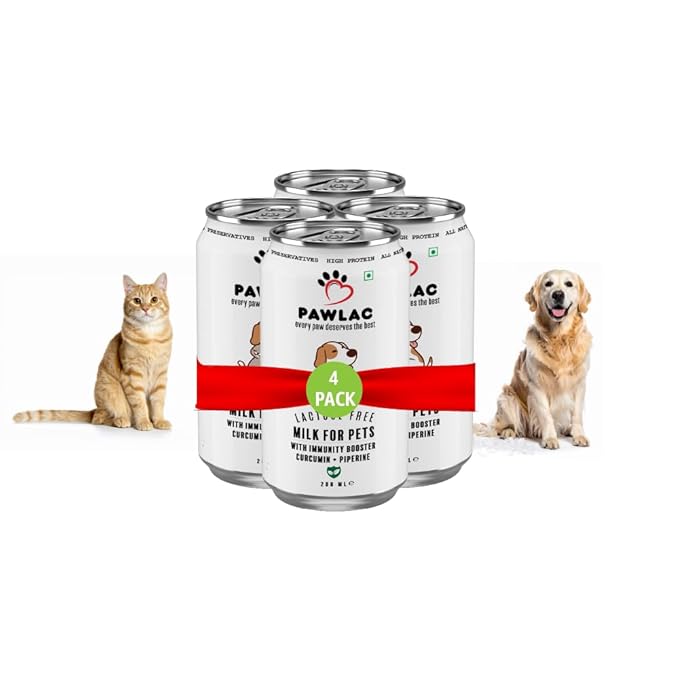
Lactose free milk for dogs is a specially formulated drink gentle on your pet’s stomach , provides essential nutrients without causing digestive issues,
Trial Pack of Pawlac Lactose Free Milk for Pets | Immunity Booster | Antioxidant & Anti-Inflammatory | Calming Golden Milk | Improved Energy | Ready to Serve | Creamy Taste | Pack of 4 Cans 200 ml
Original price was: ₹458.00.₹359.00Current price is: ₹359.00.
Description
About this item
- Pawlac milk is a scientifically formulated nutritional supplement designed to provide complete and balanced nourishment for pets at all life stages, from newborns to seniors. It delivers high-quality proteins, healthy fats, essential vitamins, and minerals that support growth, development, immunity, joint health, digestion, and longevity.
- ENHANCED BENEFITS: Enriched with curcumin and piperine , Pawlac milk offers anti-inflammatory, antioxidant, and anticoagulant benefits that contribute to overall well-being, disease prevention, and an active lifestyle for pets.
- STARTS WORKING FROM DAY 1: By providing essential nutrients from day one, Pawlac lays the foundation for lifelong health. Our formulas not only support early development but also promote strong immunity and overall well-being throughout your pet’s life.
- LACTOSE-FREE FORMULA: Specially processed farm-fresh cow milk with lactase enzyme, making it perfect for pets with dairy sensitivities
- QUALITY ASSURANCE: Manufactured AT A DAIRY FARM by Fortune Dairy’s pet food division with strict quality controls
- APPETITE TRIGGER: Creamy & delicious taste that stimulates appetite and craving for food in pets
- STORAGE GUIDELINES: Keep in a cool, dry place away from insects and germs for optimal freshness and quality
- Convenient & Travel-Ready Pre-Portioned 200ml cans are perfectly portable for on-the-go hydration on your long trips, or mealtime enhancement anywhere, no mixing needed!
-
Lactose Free Milk for Pets
Providing the right kind of nutrition to pets is one of the most important responsibilities of a caring owner. Just like humans, animals require specific diets that suit their digestive systems and overall health. While many people think milk is a universal food for cats and dogs, the truth is that most pets cannot digest regular cow’s milk properly because it contains lactose. That is why lactose free milk for pets has become a trusted, safe, and highly recommended alternative for feeding beloved furry companions.
Why Pets Need Lactose Free Options
Most cats and many dogs are lactose intolerant. This means they lack sufficient amounts of the enzyme lactase, which is required to break down lactose (the sugar in milk). When they drink regular milk, it can lead to digestive issues such as diarrhea, bloating, stomach pain, and discomfort. By switching to lactose free milk for pets, owners eliminate this problem while still giving their pets the taste and nutritional benefits of milk.
Nutritional Benefits of Lactose Free Milk for Pets
-
Digestive Comfort – Since lactose has been removed, the milk is gentle on the stomach, ensuring pets enjoy it without digestive upsets.
-
Rich in Calcium – Lactose free milk for pets provides calcium, essential for strong bones, teeth, and overall skeletal health.
-
Protein-Packed – Pets need protein for muscle growth and repair. This milk delivers high-quality protein in a form that pets can easily process.
-
Vitamins and Minerals – Enriched with essential vitamins like A, D, and B-complex, lactose free milk for pets boosts immunity, skin health, and energy levels.
-
Hydration Support – Some picky pets avoid drinking plain water. Offering milk as a hydrating treat ensures they stay refreshed.
Suitable for Different Pets
-
Cats: Cats are the most famous milk lovers, yet they are often lactose intolerant. For them, lactose free milk for pets is the perfect solution.
-
Dogs: Puppies and adult dogs can enjoy it safely without stomach upset.
-
Small animals: Rabbits, guinea pigs, and ferrets can also consume lactose free milk for pets when given in moderation, depending on dietary needs.
Situations Where Lactose Free Milk for Pets Is Useful
-
Picky Eaters – Pets who avoid kibble or water may accept milk as a tasty supplement.
-
During Recovery – Sick or weak pets need gentle, nutrient-rich foods. Lactose free milk for pets helps them regain energy.
-
As a Treat – Instead of giving sugary or fatty snacks, milk offers a healthier option.
-
Weaning Transition – Puppies and kittens can shift smoothly from mother’s milk to lactose free milk for pets before moving on to solid food.
How It’s Made
The process of creating lactose free milk for pets involves using the enzyme lactase to break down lactose into simple sugars (glucose and galactose) that pets can easily digest. This retains the natural taste of milk while eliminating the harmful effects of lactose.
Differences Between Human and Pet Formulations
Though lactose free milk is available for humans, lactose free milk for pets is specially formulated to meet the unique dietary requirements of animals. It usually has adjusted fat content, added taurine (essential for cats), and carefully balanced nutrients to ensure safe consumption.
Feeding Guidelines
-
Always serve lactose free milk for pets in moderation. While healthy, too much milk can lead to weight gain.
-
Fresh, clean bowls should be used to avoid contamination.
-
Refrigerate after opening and use within the recommended period.
Long-Term Benefits
Continuous use of lactose free milk for pets contributes to stronger bones, shinier coats, better digestion, and improved hydration. Over time, pet owners notice that their animals appear more energetic, healthier, and happier compared to those consuming unsuitable foods.
Vet Recommendations
Veterinarians often suggest using lactose free milk for pets as part of a balanced diet, especially for pets with sensitive stomachs. It is considered safe, nutritionally valuable, and a great option for picky eaters.
Common Myths and Facts
-
Myth: Pets can drink regular cow’s milk without problems.
Fact: Most pets are lactose intolerant, which is why lactose free milk for pets is essential. -
Myth: Milk is only for kittens and puppies.
Fact: Adult cats and dogs also benefit from lactose free milk for pets, provided it’s given responsibly.
Everyday Use
Pet parents love using lactose free milk for pets as a bonding treat. It can be poured over kibble, frozen into cubes for summer snacks, or served plain in a bowl. Its versatility makes it a household favorite for both pets and owners.
Real-Life Experiences
Owners of senior pets often share how their cats or dogs regained energy and improved coat condition after switching to lactose free milk for pets. Others highlight how it became a lifesaver for pets recovering from illness or surgery. These success stories emphasize the product’s impact beyond simple nutrition.
-
-
Historical Context of Milk for Animals
For centuries, people assumed milk was universally beneficial, offering it to dogs, cats, and even smaller animals as a token of love. While milk was indeed nourishing in certain cases, pet owners often overlooked the downside—lactose intolerance. Over time, science revealed that most adult animals lack lactase enzymes, and what was thought to be a healthy treat often caused stomach upset. The emergence of lactose free milk for pets changed the narrative. Now, owners can continue a tradition of offering milk while ensuring their furry friends remain healthy.
Emotional Value for Owners
Feeding isn’t just about nutrition; it’s an emotional connection between humans and animals. A bowl of lactose free milk for pets often becomes a bonding ritual. Cats purr with satisfaction, dogs wag their tails, and small pets eagerly lap it up. This emotional satisfaction adds to the value of such milk—it’s not just food, but a shared moment of care and affection.
Comparing Alternatives
Pet parents often explore other options like plant-based milk. Almond milk, soy milk, and coconut milk are sometimes considered. However, these alternatives can cause allergies or contain additives unsafe for animals. Compared to these, lactose free milk for pets stands out because it retains the natural nutrition of dairy without the digestive drawbacks.
Added Nutrients in Pet-Friendly Milk
The best formulations don’t just remove lactose; they enrich the product with taurine, zinc, omega fatty acids, and probiotics. Taurine is especially crucial for cats, as deficiency can lead to vision problems and heart disease. This makes lactose free milk for pets more than just milk—it’s a fortified health drink crafted for animal wellness.
Role in Training and Enrichment
Owners often use lactose free milk for pets during training. By offering small amounts as a reward, pets learn commands faster and associate obedience with positive experiences. It can also be frozen into lickable treats or poured into puzzle feeders, turning ordinary meals into engaging activities.
Health Case Studies
-
Case 1: A Siamese cat, prone to constant diarrhea, showed dramatic improvement after her owner replaced cow’s milk with lactose free milk for pets. Within a week, her digestion stabilized.
-
Case 2: A recovering Beagle who lost appetite after surgery regained strength when his vet recommended warm servings of lactose free milk for pets alongside soft food.
-
Case 3: A senior Pug struggling with dehydration finally began drinking fluids regularly once introduced to milk formulated for pets.
Everyday Recipes
-
Milk Popsicles: Freeze the milk with fruit puree for a summer snack.
-
Kibble Softener: Pour a little over dry food to make it easier for older pets to chew.
-
Smoothie Mix: Blend lactose free milk for pets with pumpkin or banana for a nutritious treat.
-
Baking Treats: Use it in homemade dog biscuits or cat-friendly muffins.
FAQs Continued
-
Q: Can kittens and puppies drink it daily?
A: Yes, in moderation. Lactose free milk for pets is designed to mimic natural milk while being gentle on their stomachs. -
Q: Is it suitable for overweight pets?
A: Yes, as long as serving sizes are controlled. Low-fat versions of lactose free milk for pets are available for weight management. -
Q: Does it taste different from normal milk?
A: No. Most pets love the taste, and owners report that cats and dogs eagerly lap it up without hesitation.
Long-Term Impact on Pet Health
Over time, consistent use of enhances coat shine, improves hydration, supports muscle recovery, and contributes to dental strength. Many owners notice their pets becoming more energetic and playful, thanks to improved digestion and nutrient absorption.
Wrapping Up
From history to science, emotional bonding to nutrition, the story of is one of care, innovation, and trust. It provides all the richness of traditional milk without the risks, making it the gold standard for responsible pet nutrition. For every sip that pets take, owners feel assured that they’re giving something wholesome, safe, and beneficial.
-
-
One of the key advantages of specially formulated pet milk is how it combines taste and nutrition in a way that appeals to both pets and owners. Many animals, especially cats, are notoriously picky, often rejecting foods or drinks that are too strong in flavor or texture. This type of milk has a neutral, familiar taste that encourages consumption, making it easier for pet parents to ensure their animals receive proper hydration and nutrients.
In addition to hydration, this milk offers a gentle method of introducing supplements and vitamins. Some owners mix powdered nutritional boosters or probiotics into the milk, turning it into a convenient medium for delivering essential nutrients. This is particularly helpful for pets recovering from illness, surgery, or those experiencing weight fluctuations. The milk serves as both a comforting treat and a functional dietary tool.
The versatility of this milk also allows it to be incorporated into a variety of creative feeding strategies. For instance, it can be lightly warmed in cooler months to encourage pets to drink more fluids. Alternatively, during hot summer days, freezing the milk into small cubes provides a fun and cooling treat that can keep pets entertained while also keeping them hydrated. This makes it a multi-functional solution that meets both nutritional and recreational needs.
Another important aspect is its compatibility with other foods. It can be added to dry kibble or wet food, enhancing flavor and moisture content. Older pets, who may have dental problems or difficulty chewing, often benefit from this added moisture, which helps make food easier to consume while also reducing the risk of choking or discomfort. Even pets with sensitive stomachs tolerate it well due to the absence of lactose, making it a reliable supplement for animals with digestive sensitivities.
Regular use of this milk can also play a role in behavioral enrichment. Providing a treat in a bowl or as part of a feeding puzzle encourages mental stimulation, which is crucial for maintaining overall well-being. For animals that may otherwise be bored or under-stimulated, this combination of flavor, texture, and engagement can help reduce stress, anxiety, and destructive behaviors.
Finally, pet parents consistently report that the milk helps maintain a shiny coat and healthy skin. Nutrients naturally found in milk, along with any additional fortifications like omega fatty acids or vitamin D, contribute to fur strength, glossiness, and elasticity. The hydration provided by the milk also supports skin health, preventing dryness and irritation, especially in pets living in dry or air-conditioned environments.
Overall, the integration of this milk into a pet’s daily routine is both practical and beneficial. It supports hydration, digestive comfort, nutritional supplementation, mental enrichment, and overall health, all while being an enjoyable treat that pets look forward to each day. By providing a safe, digestible, and palatable liquid source, owners can ensure their pets remain happy, active, and well-nourished in every stage of life.
-
Integrating specially formulated milk into a pet’s daily routine is easier than many owners imagine. For many pets, consistency is key. Offering the milk at the same time each day can help establish a predictable feeding schedule, which is particularly beneficial for younger animals or pets prone to anxiety. Morning servings can provide energy to start the day, while an evening portion can act as a soothing treat before bedtime. This simple habit encourages pets to stay hydrated, promotes digestion, and creates a comforting routine they look forward to.
For pets with delicate digestion, gradual introduction is recommended. Starting with small amounts ensures the stomach adjusts to the liquid without causing any discomfort. Over a few days, the quantity can be increased according to dietary requirements. This approach is especially useful for newly adopted pets, older animals, or those recovering from illness, as sudden dietary changes can otherwise lead to digestive upset.
Seasonal Applications
Seasonal changes can affect a pet’s dietary needs and hydration habits. During the hot summer months, pets are more prone to dehydration, particularly if they are active outdoors. Providing chilled servings or frozen cubes of this milk can make hydration fun and engaging. Some owners even create “ice cream treats” by blending the milk with safe, pet-friendly fruits like banana or pumpkin before freezing. These treats not only cool pets down but also deliver nutrients and hydration in one enjoyable snack.
In colder months, slightly warmed servings can act as a comforting supplement, encouraging pets to consume liquids they might otherwise ignore. Warm milk can be added to soft food or offered in a small bowl on chilly mornings or evenings, providing both hydration and gentle nutrition. This seasonal flexibility makes it an adaptable solution for year-round pet care.
Homemade Recipes for Enrichment
Beyond simple servings, this milk can be incorporated into creative homemade recipes that provide both nutrition and mental stimulation. One popular idea is milk-based pudding for pets. By mixing the milk with pureed pumpkin, yogurt, or a small amount of oatmeal, owners can create a soft, nutrient-dense treat that encourages slow consumption and engagement. Such treats are especially beneficial for pets who need dental care, as the texture requires careful licking and chewing, indirectly cleaning the tongue and gums.
Another option is milk-based ice cubes. Small silicone molds can be filled with the milk and frozen, offering bite-sized, cooling snacks for summer. These frozen cubes can also be stuffed into puzzle feeders, turning an ordinary treat into a mentally stimulating activity. Pets benefit not just from the nutrition but also from the enrichment, which helps reduce boredom and anxiety.
For older pets or those with dental issues, soft milk treats blended with wet food can ensure they receive calories, hydration, and nutrients without causing discomfort. These meals can be portioned according to dietary needs, making them a versatile option for pets of all ages.
Combining with Supplements
Many pet parents use this milk as a medium for delivering additional supplements. Vitamins, probiotics, or joint health formulations can be easily mixed into the milk, ensuring pets receive essential nutrients without the struggle of administering pills or powders directly. This method is particularly useful for pets recovering from illness or those requiring long-term supplementation. By combining hydration and supplementation, the milk streamlines daily care routines and reduces stress for both pets and owners.
Health and Digestive Benefits
The digestive benefits of this milk cannot be overstated. Pets with sensitive stomachs, irritable bowel issues, or mild food intolerances can consume it safely, as it is designed to be gentle and easily digestible. Regular consumption can lead to more consistent bowel movements, reduced bloating, and decreased episodes of diarrhea. This supports overall gastrointestinal health, which in turn improves nutrient absorption, energy levels, and overall vitality.
Hydration also plays a crucial role in organ function and skin health. Many pets, particularly older ones, struggle to drink sufficient water. By supplementing with milk, owners ensure their pets remain hydrated, supporting kidney function, circulation, and joint lubrication. Well-hydrated pets also maintain healthier skin and coats, as dehydration can lead to dryness, irritation, or dull fur.
Conclusion
Choosing the right food and drink for pets is an act of love. Regular milk may cause harm, but lactose free milk offers all the goodness of milk without the risks. Nutritious, safe, and delicious, it strengthens bones, supports digestion, and brings joy to pets who deserve nothing but the best. By making this choice, pet parents ensure their companions thrive with comfort, vitality, and happiness.



Reviews
There are no reviews yet.