

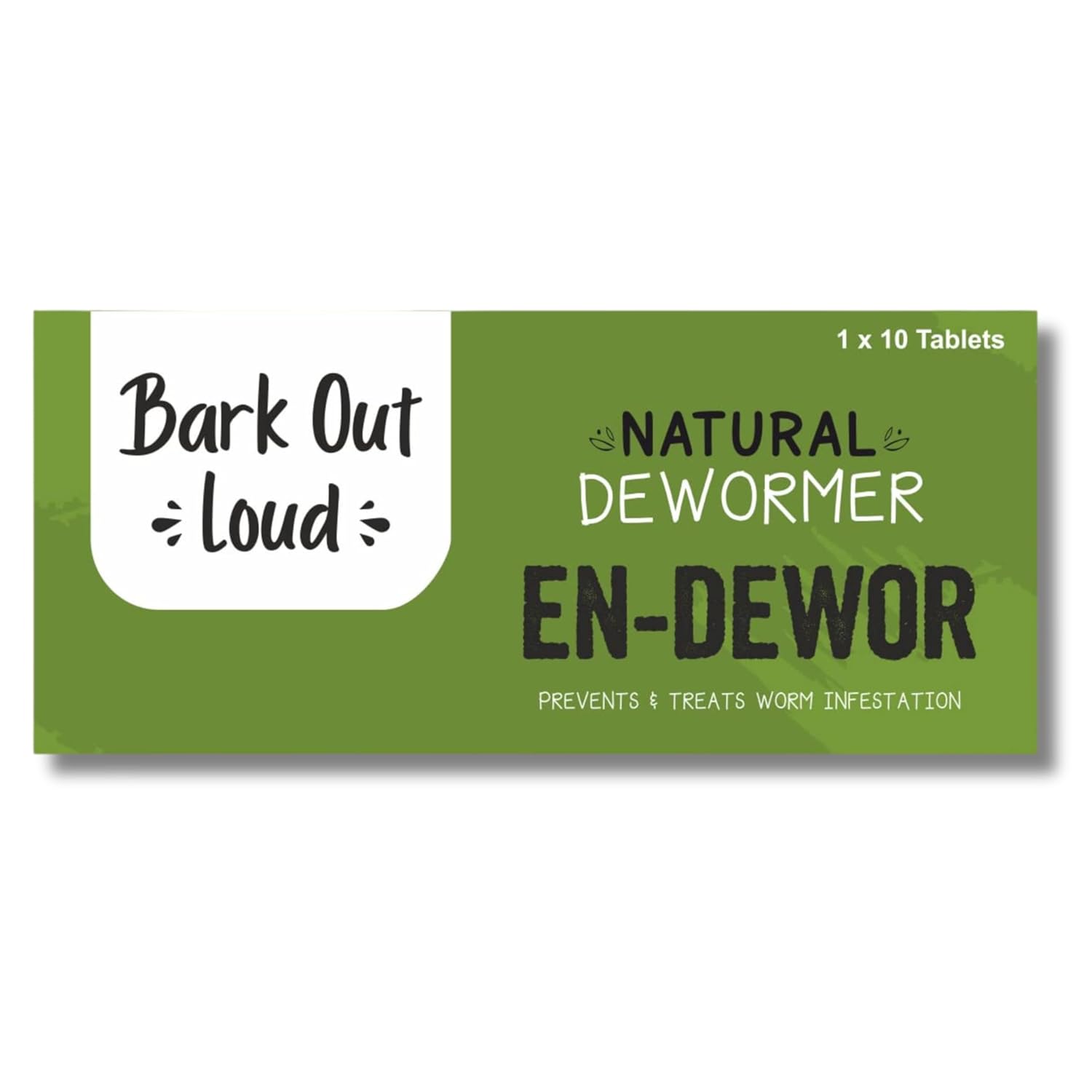
Deworming medicines for dogs oral medications that help eliminate and prevent intestinal parasites like worms in pets. support digestion
Vivaldis Endewor Dewormer for Dogs and Cats, Natural Enzyme and Probiotic Based Supplements for Gut Health to Kill & Expels Parasites – 1X10 Tablets
Original price was: ₹230.00.₹217.00Current price is: ₹217.00.
Description
About This Item
- NATURAL SAFE DOG & CAT DEWORMER: Endower is an all-natural de-worming supplement for dogs & cats, and thus causes no side effects like other options available. It consists of a systemic vegetative enzyme formulation that balances the gastro-intestinal system and effectively controls parasites. It has a unique formulation, unlike other deworming products which contain generic and synthetic compounds that worms have become immune to. Thus, prove to be non-effective.
- KILLS & EXPELS WORMS: Endower dog and cat dewormer effectively kills and expels all kinds of parasite bacteria. It interferes with the developmental cycle and acts at all stages of an including eggs, larva and adult worms. This dog health supplies are ideal for all types of ringworms, hookworms, tapeworms and whipworms. It helps stimulates appetite and prevents your pet from skin disease.
- CONTAINS NATURAL PAPAYA EXTRACT: Papaya extract, called Papain is also found in En-dewor digestive enzymes tablets. It helps improve the gut health of your furry friends and treats bloating efficiently. Papain is rich in fibre and home to several vitamins that meet your pet’s daily needs. Papain It improves the functioning of your pet’s digestive system and reduce heartburn too.
- PROBIOTIC ENRICHED DOG & CAT SUPPLEMENT: Enriched with probiotics, Endewor contains Lactobacillus a beneficial bacteria, also known as “good” bacteria, that works with the microflora within your pet’s stomach to break down and digest food. These good bacteria also help to keep your pet in good health by combating the harmful bacteria in his stomach that can make him sick
- RECOMMENDED DOSAGE FOR DOGS AND CATS: Endewor comes with the chicken flavour and thus can be easily administered. For Small Dogs & Cats: 1 tablet twice a day for 2 days. For medium and large Dogs: 2 tablets twice a day for 2 days. One needs to give a two-day dosage each month to ensure a healthy gut for your pet
-
Deworming Medicines for Dogs
Maintaining the health of a dog involves not only proper diet and exercise but also regular preventive care. One critical aspect of this care is the administration of deworming medicines for dogs, which help eliminate harmful intestinal parasites that can cause serious health issues. Worm infestations are common among dogs of all ages, and without timely intervention, they can lead to weight loss, digestive disorders, lethargy, and even life-threatening complications.
Deworming medicines for dogs are formulated to target various types of worms, including roundworms, tapeworms, hookworms, whipworms, and sometimes protozoa. Each type of worm affects dogs differently, and choosing the right medication is essential for effective treatment. Regular deworming is recommended not only for symptomatic dogs but also as a preventive measure to ensure ongoing health and well-being.
Importance of Deworming
Intestinal parasites can significantly impact a dog’s health. Puppies are especially vulnerable, as they can acquire worms from their mother during pregnancy or nursing. Adult dogs may pick up infections from contaminated soil, water, or contact with other animals. Common signs that indicate a worm infestation include diarrhea, vomiting, bloated abdomen, poor coat condition, and reduced appetite. In severe cases, anemia and stunted growth may occur.
Administering deworming medicines for dogs promptly eliminates these parasites, preventing both immediate discomfort and long-term health issues. Regular treatment reduces the risk of secondary infections and protects other pets and even humans in the household from zoonotic transmission.
Types of Deworming Medicines for Dogs
-
Broad-Spectrum Dewormers
These medications target multiple types of intestinal worms simultaneously. Broad-spectrum deworming medicines for dogs are often preferred for routine preventive care, especially in households with multiple pets or outdoor access. -
Roundworm-Specific Medicines
Roundworms are common in puppies and can cause severe malnutrition. Deworming medicines for dogs targeting roundworms effectively remove these parasites from the intestines, promoting proper growth and vitality. -
Tapeworm-Specific Medicines
Tapeworm infestations are usually transmitted via fleas. Tapeworm-targeted deworming medicines for dogs kill the parasites, preventing complications such as intestinal blockage or irritation around the anus. -
Combination Formulations
Some products combine deworming with flea control, providing comprehensive parasite management. These combination deworming medicines for dogs simplify care routines, ensuring both internal and external parasites are addressed.
Administration and Dosage
The dosage of deworming medicines for dogs depends on factors like weight, age, and type of infection. Tablets, chewables, and liquid formulations are available, making it easier to administer. Puppies may require smaller doses administered multiple times, while adult dogs often receive a single dose according to the veterinarian’s prescription.
It is crucial to follow instructions carefully. Overdosing can lead to side effects such as nausea or lethargy, while underdosing may not effectively eliminate the worms. Consulting a veterinarian ensures that the correct type and dosage of deworming medicines for dogs is used, tailored to the pet’s health needs.
Signs That Deworming is Needed
Pet owners should be vigilant for symptoms that indicate the presence of worms. Common signs include:
-
Visible worms in stool or around the anus
-
Diarrhea or soft stools
-
Vomiting or regurgitation
-
Bloating or abdominal discomfort
-
Weight loss despite normal appetite
-
Dull coat or poor skin condition
When any of these symptoms are observed, immediate consultation with a veterinarian is recommended. Deworming medicines for dogs are then prescribed based on stool tests and overall health evaluation.
Preventive Deworming
Even in the absence of symptoms, preventive use of deworming medicines for dogs is recommended every few months. Regular preventive care reduces the risk of severe infestations and protects the dog from long-term intestinal damage. Preventive schedules may vary depending on lifestyle, region, and exposure risk.
Safety and Side Effects
Modern deworming medicines for dogs are generally safe when administered as directed. Mild side effects such as temporary diarrhea or mild lethargy may occur but usually resolve quickly. Rarely, allergic reactions can happen, which is why monitoring after the first dose is recommended. Puppies, senior dogs, or dogs with pre-existing health conditions may require special attention to ensure safe treatment.
Real-Life Case Studies
-
Case 1: A three-month-old Labrador puppy had visible worms and poor weight gain. Regular administration of broad-spectrum deworming medicines for dogs led to significant improvement within two weeks.
-
Case 2: A senior Beagle with mild diarrhea was found to have hookworm infection. Targeted deworming medicines for dogs resolved the issue, improving appetite and energy levels.
-
Case 3: A household with multiple pets used combination deworming medicines for dogs and flea treatments to prevent recurring infestations, maintaining a healthy environment for all animals.
-
Dogs are susceptible to various intestinal parasites, each affecting their health differently. Understanding these worms helps pet owners appreciate the importance of deworming medicines for dogs.
-
Roundworms – These are among the most common parasites in puppies. Roundworms can cause malnutrition, bloating, vomiting, and dull coats. Routine administration of deworming medicines for dogs effectively eliminates these worms before they cause serious complications.
-
Hookworms – Hookworms attach to the intestinal lining and feed on blood, potentially causing anemia and weakness. Targeted treatment with deworming medicines for dogs ensures that the dog recovers quickly while preventing long-term health issues.
-
Whipworms – Whipworm infections can result in chronic diarrhea and weight loss. Using prescribed deworming medicines for dogs eradicates these parasites safely and efficiently.
-
Tapeworms – Transmitted via fleas or small prey, tapeworms can irritate the intestines and anus. A proper course of deworming medicines for dogs removes the infection and prevents recurrence when paired with flea control.
-
Coccidia and Giardia – These protozoan parasites are less common but can cause severe diarrhea, especially in young or immunocompromised dogs. Veterinarians often recommend specialized deworming medicines for dogs for treatment.
Administration Guidelines
Administering deworming medicines for dogs correctly is essential for effectiveness and safety. Tablets, chewables, and liquid formulations are available. Small dogs and puppies may require precise weight-based doses, while larger breeds often receive standard doses. Some medications can be given with food to reduce the risk of mild stomach upset. Always follow veterinary instructions to ensure complete parasite elimination.
Re-dosing may be necessary for certain worm types to prevent reinfestation. Many veterinarians schedule a follow-up dose 2–3 weeks after the initial treatment. This timing ensures that any larvae or eggs not affected by the first dose are eradicated with the second dose.
Home Care During Treatment
While deworming medicines for dogs work to eliminate parasites, proper home care enhances recovery:
-
Keep the living area clean and sanitized to prevent reinfection.
-
Wash bedding, toys, and food bowls regularly.
-
Monitor the dog’s stools for changes, as worms or their segments may appear after treatment.
-
Encourage hydration and a balanced diet to support digestive recovery.
Providing consistent care during and after deworming ensures that pets regain full health and prevents recurring infestations.
Preventive Measures
Preventing worm infestations is as important as treatment. In addition to routine administration of deworming medicines for dogs, owners can take several steps:
-
Prevent pets from eating raw meat or scavenging outdoors.
-
Use flea control products, as fleas often transmit tapeworms.
-
Regularly clean outdoor areas where pets play.
-
Schedule routine veterinary check-ups for stool analysis.
These measures, combined with preventive deworming medicines for dogs, help maintain a worm-free environment and protect the pet’s long-term health.
Long-Term Benefits of Regular Deworming
Consistent use of deworming medicines for dogs contributes to overall wellness. Pets experience:
-
Improved digestion and nutrient absorption
-
Increased energy and vitality
-
Healthy skin and coat
-
Reduced risk of anemia and gastrointestinal disorders
-
Protection for other pets and family members from zoonotic infections
By maintaining a regular deworming schedule, pet owners ensure their companions remain healthy, active, and comfortable throughout their lives.
-
-
Understanding the different worms that affect dogs helps pet owners grasp why deworming medicines for dogs are crucial. Each parasite behaves differently and can impact health in unique ways.
1. Roundworms (Toxocara canis)
Roundworms are one of the most common intestinal parasites in puppies. These worms can cause malnutrition, stunted growth, vomiting, diarrhea, and a pot-bellied appearance. Puppies can contract roundworms from their mother during pregnancy or through milk. Administering age-appropriate deworming medicines for dogs ensures early elimination, preventing severe health consequences.2. Hookworms (Ancylostoma caninum)
Hookworms attach to the intestinal lining, feeding on blood, which can lead to anemia and weakness. Puppies are particularly susceptible, and untreated infestations can become life-threatening. Regular use of deworming medicines for dogs removes hookworms and restores vitality.3. Whipworms (Trichuris vulpis)
Whipworms reside in the large intestine and cause chronic diarrhea, weight loss, and dehydration. Long-term infestations can weaken a dog significantly. Using deworming medicines for dogs designed for whipworms effectively treats the infection.4. Tapeworms (Dipylidium caninum)
Tapeworms are transmitted via fleas or ingestion of small prey. They attach to the intestinal walls and can cause anal irritation, digestive discomfort, and in rare cases, blockages. Combination treatment with deworming medicines for dogs and flea control is recommended to prevent recurrence.5. Coccidia and Giardia
These protozoan parasites cause severe diarrhea, dehydration, and weight loss, particularly in young or immunocompromised dogs. Specialized deworming medicines for dogs are used in veterinary practice to target these parasites safely and effectively.
Signs That Your Dog Needs Deworming
Pet owners should monitor their dogs for subtle and obvious signs of infestation. Common indicators include:
-
Visible worms in feces or around the anus
-
Persistent diarrhea or soft stools
-
Vomiting and loss of appetite
-
Bloating or abdominal discomfort
-
Dull coat and poor skin condition
-
Weight loss despite normal food intake
Timely administration of deworming medicines for dogs at the first signs of infection prevents severe health complications and ensures your pet remains healthy.
Administration Methods and Guidelines
Deworming medicines for dogs are available in multiple forms:
-
Tablets and Chewables: Easy to administer; often flavored to encourage acceptance.
-
Liquid Formulations: Useful for small puppies, or dogs who resist tablets.
-
Topical or Injectable Options: Occasionally used under veterinary supervision.
Dosage is weight-dependent, and following instructions is critical. Overdosing can cause nausea or lethargy, while underdosing may leave worms untreated. For certain worm types, a second dose 2–3 weeks after the first ensures complete elimination of all parasite stages.
Home Care During and After Treatment
While deworming medicines for dogs work to eliminate parasites, proper home care improves recovery and prevents reinfestation:
-
Keep the living environment clean, washing bedding, toys, and bowls frequently.
-
Monitor stools for expelled worms or eggs as treatment progresses.
-
Encourage hydration and provide a balanced diet to support digestive health.
-
Keep puppies and adult dogs away from contaminated areas, such as public parks or soil with feces.
Preventive Deworming Schedules
Even without visible symptoms, preventive deworming is recommended to protect dogs against potential infestations. Common schedules include:
-
Puppies: Every two weeks until 12 weeks old, then monthly until six months.
-
Adult Dogs: Every three to six months, depending on lifestyle, exposure, and veterinary advice.
Regular preventive care with deworming medicines for dogs ensures long-term health, protecting both the pets and their families from zoonotic infections.
Seasonal Considerations
Environmental conditions play a role in worm prevalence. Wet or humid climates increase the risk of certain parasites like hookworms. Outdoor dogs in such climates may require more frequent administration of deworming medicines for dogs. During colder seasons, indoor dogs still benefit from routine preventive treatment, as worms can survive in soil, food, or on other animals.
Diet and Nutrition During Deworming
Providing a supportive diet during deworming improves recovery:
-
High-quality protein supports muscle repair and growth.
-
Fiber aids digestion and helps maintain healthy bowel movements.
-
Hydration is essential, especially if diarrhea or vomiting occurs.
-
Probiotics may complement treatment to restore gut flora.
Incorporating a balanced diet alongside deworming medicines for dogs ensures faster recovery and reduces digestive stress.
Real-Life Case Studies
-
Case 1: A Labrador puppy with severe roundworm infestation regained healthy weight and energy after a full course of deworming medicines for dogs. Regular follow-up doses ensured no recurrence.
-
Case 2: An adult Beagle with chronic hookworm infection responded positively to targeted deworming medicines for dogs, regaining appetite and vitality within two weeks.
-
Case 3: A multi-dog household used broad-spectrum deworming medicines for dogs along with environmental cleaning to prevent repeated infections, maintaining a worm-free environment for all pets.
-
For optimal results, it is important to follow a structured approach when using deworming medicines for dogs. First, a veterinarian’s assessment ensures the correct type of medication is selected based on the type of worms, age, weight, and overall health of the dog. Puppies and small breeds often require smaller, more frequent doses, whereas adult dogs may benefit from single or biannual treatments.
Maintaining hygiene during treatment is equally critical. Cleaning bedding, toys, and feeding areas regularly helps prevent reinfestation. Outdoor areas should also be monitored and cleaned when possible, especially if multiple pets have access to the same spaces. Combining environmental care with deworming medicines for dogs ensures a higher success rate and reduces the risk of recurring infections.
Another key consideration is dietary support during deworming. Providing balanced nutrition, rich in protein, fiber, and essential vitamins, can aid the dog’s recovery and support gut health. Hydration is particularly important if the dog experiences diarrhea or vomiting during treatment.
In multi-pet households, coordinating deworming schedules is recommended. Treating all pets simultaneously with appropriate deworming medicines for dogs minimizes cross-infection risks. Additionally, regular veterinary check-ups and stool examinations help monitor the dog’s health and confirm that all parasites have been eliminated.
By combining careful administration, environmental management, and preventive practices, pet owners can ensure their dogs remain healthy, energetic, and free from the complications of intestinal parasites. Consistent use of deworming medicines for dogs is a cornerstone of responsible pet care, supporting long-term wellness and protecting the entire household.
Frequently Asked Questions
Q: Are deworming medicines safe for puppies?
A: Yes, when administered according to weight and age-specific guidelines provided by a veterinarian.Q: Can deworming medicines be given with food?
A: Many formulations are safe with food, but following instructions ensures maximum effectiveness.Q: How do I prevent reinfestation?
A: Maintain hygiene, control fleas, and schedule regular preventive doses of deworming medicines for dogs.Q: Do adult dogs need deworming if they show no symptoms?
A: Yes. Preventive deworming every three to six months is recommended to maintain overall health and prevent silent infestations. -
-



Reviews
There are no reviews yet.